
Few Got to Smoke These English Cigarettes in the ’90s: What They Were Like

Imported English cigarettes carved out a small but unmistakable place for themselves in the 1990s. They were not common, they were usually expensive, and yet they gave smokers the sense that they were holding more than just a pack—they were holding a piece of a different tobacco tradition, one that felt stricter, more refined, and more carefully made.
Anyone who smoked them in that era will remember how dense and balanced the tobacco felt. The flavor stayed consistent, the aroma carried its own distinct note—sometimes slightly sweet, sometimes faintly woody—and even the filter often seemed better constructed. That is exactly why English cigarettes were seen as a benchmark, even if they were not an everyday purchase for most smokers.
This article is a closer look at what made those brands stand out, from production standards and blend composition to strength, draw, and the manufacturing habits British companies followed for decades.
Sovereign — Sharp, Woody, and Very British
Sovereign cigarettes had a certain magic in the 1990s. Many smokers first encountered them in the classic red pack, and even after the line expanded, plenty stayed loyal to that original version.
English blends were often associated with smoothness, but Sovereign stood out for a sharper edge and fuller smoke. There were hints of nuttiness in the flavor, a light woodiness, and a slightly drawn-out tart note. That combination could feel a little rough around the edges, but for smokers who liked cigarettes with character, that was exactly the appeal.
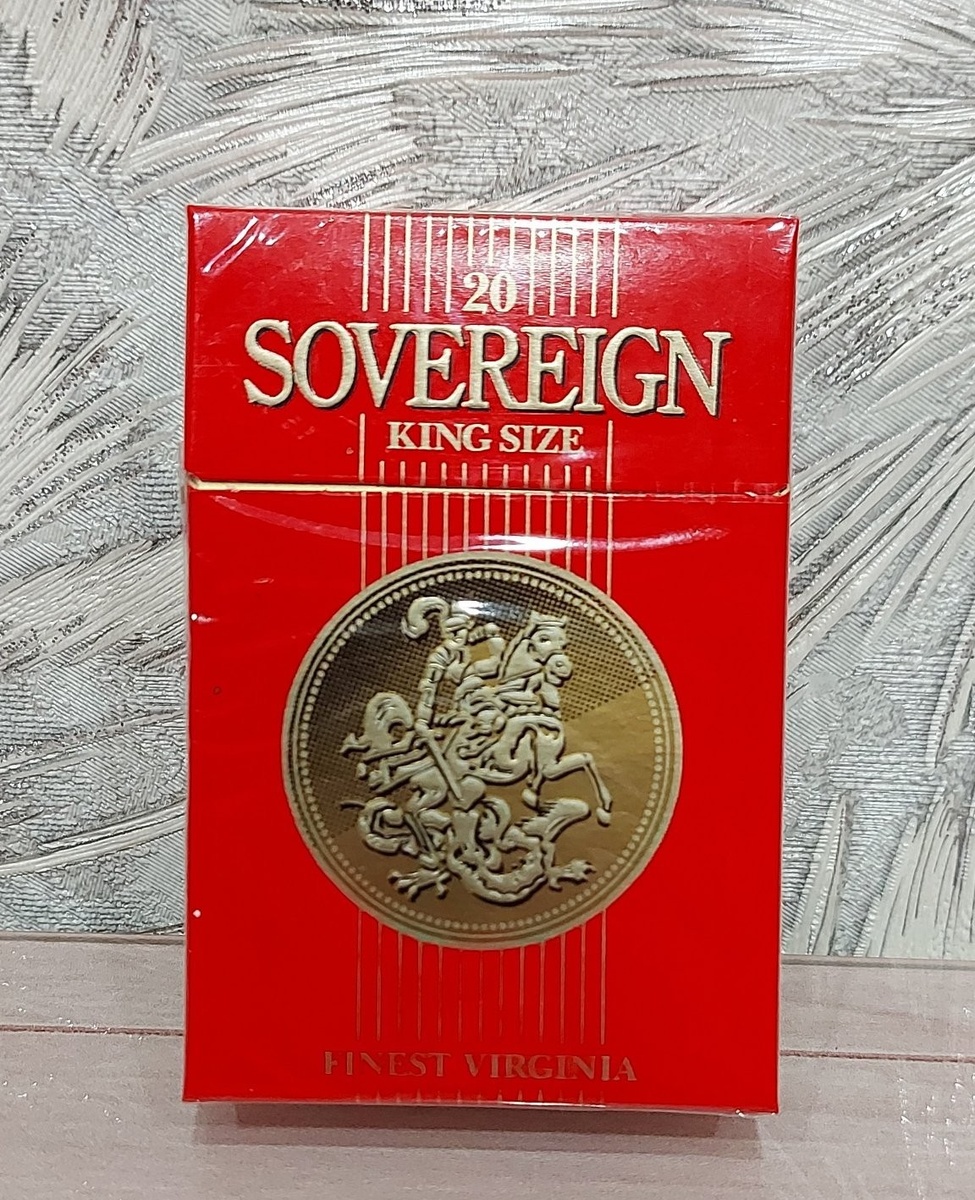
Over time, some smokers felt the brand changed from its earlier imported form. That shift is still part of how longtime smokers remember Sovereign today.
Dunhill — A Premium Level You Noticed from the First Drag
Dunhill carried a special reputation. If someone pulled out a pack of Dunhill, it said something immediately: this was a smoker who appreciated quality tobacco and was not interested in cutting corners.
Produced by British American Tobacco with a clearly premium position, Dunhill stood apart through both presentation and flavor. The aroma was soft, warm, and almost bready, with a touch of herbal character and a light apple-like sweetness.
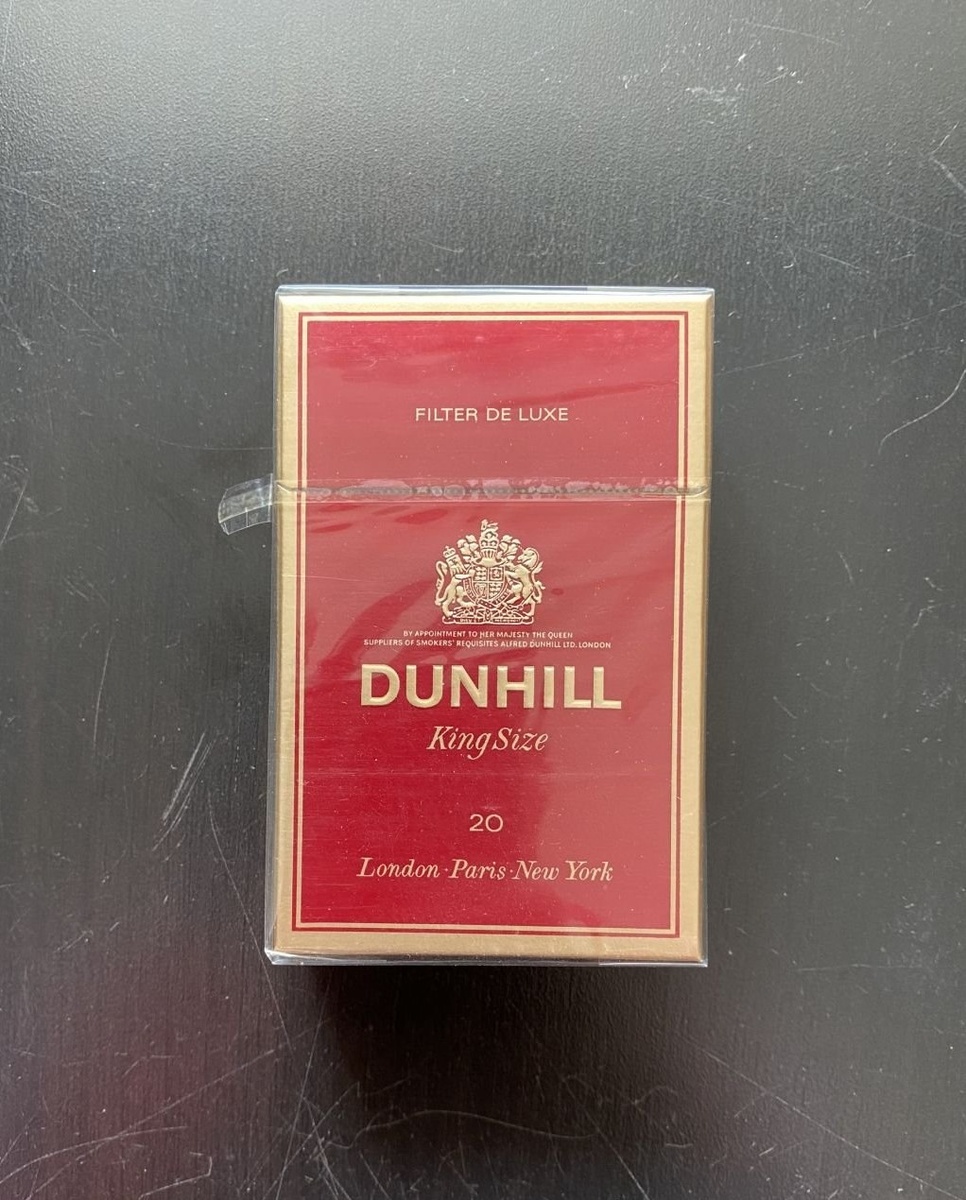
Dunhill International was especially prized in its wide cardboard pack, styled almost like a cigarette case. The filter was dense—some would say too dense—and many smokers would gently roll or soften it before lighting up to make the draw feel more even. The strength felt above average, but never overwhelming.
555 — Strength, Style, and a Little Mystery
In the 1990s, 555 had an unmistakable identity. The packs looked bright, distinctive, and almost collectible, while the brand itself carried the polished image people often associated with classic British tobacco.
Made by British American Tobacco, 555 typically came in hard packs, both narrow and wide. The tobacco leaned on a classic Virginia blend, with darker Virginia grades clearly present in the mix. You could feel that in the smoke: the strength was confident, with no suggestion of being especially light.
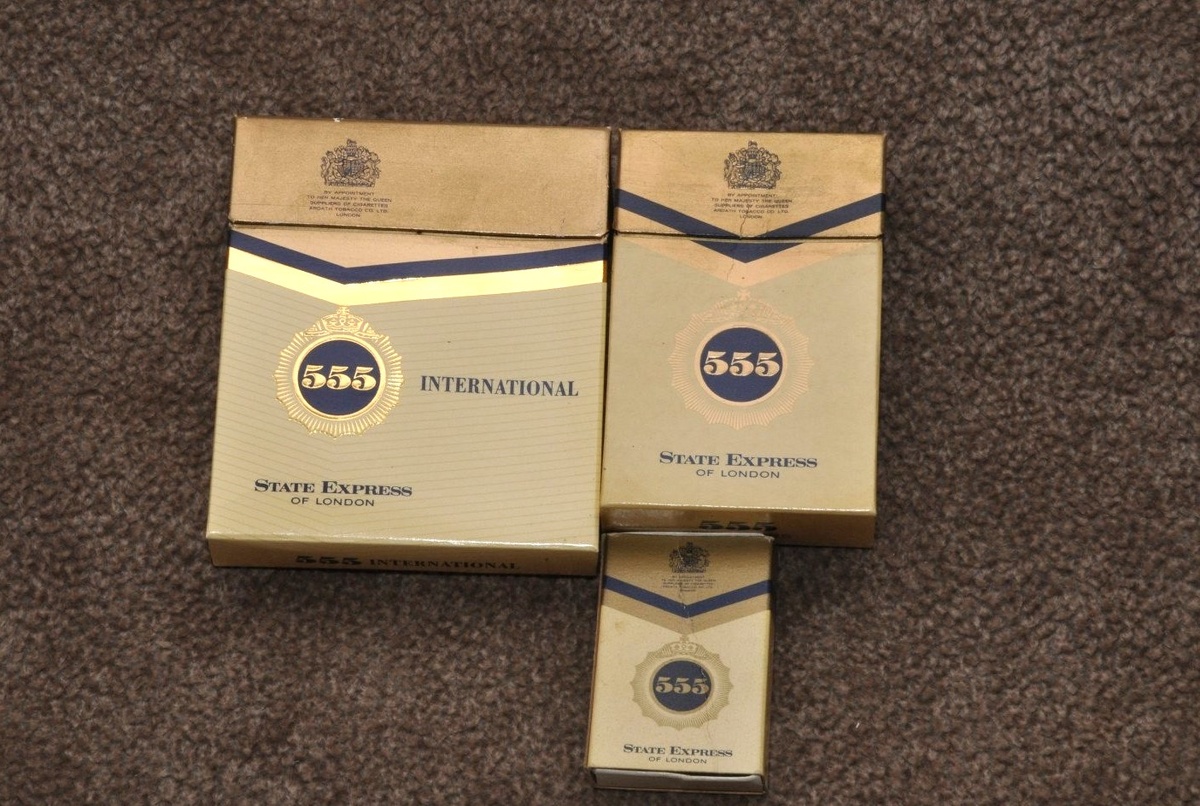
Smokers often remembered them as a stronger cigarette, with a profile that felt tart, slightly sweet, and deep enough that the smoke seemed thicker after a couple of drags. The aroma was just as distinctive and not easily confused with anything else.
Pall Mall — Underrated but Memorable
Pall Mall was sometimes dismissed as too ordinary, but that reputation never told the full story. In reality, it often felt like one of the more American-leaning English cigarettes of the period, and for many smokers that was a real strength.
In the smoke there was a light tartness that shifted into a nutty aftertaste. It was an unusual combination, but that was exactly what made the brand memorable. In some ways, Pall Mall felt like a meeting point between an American blend and a Virginia-style profile.
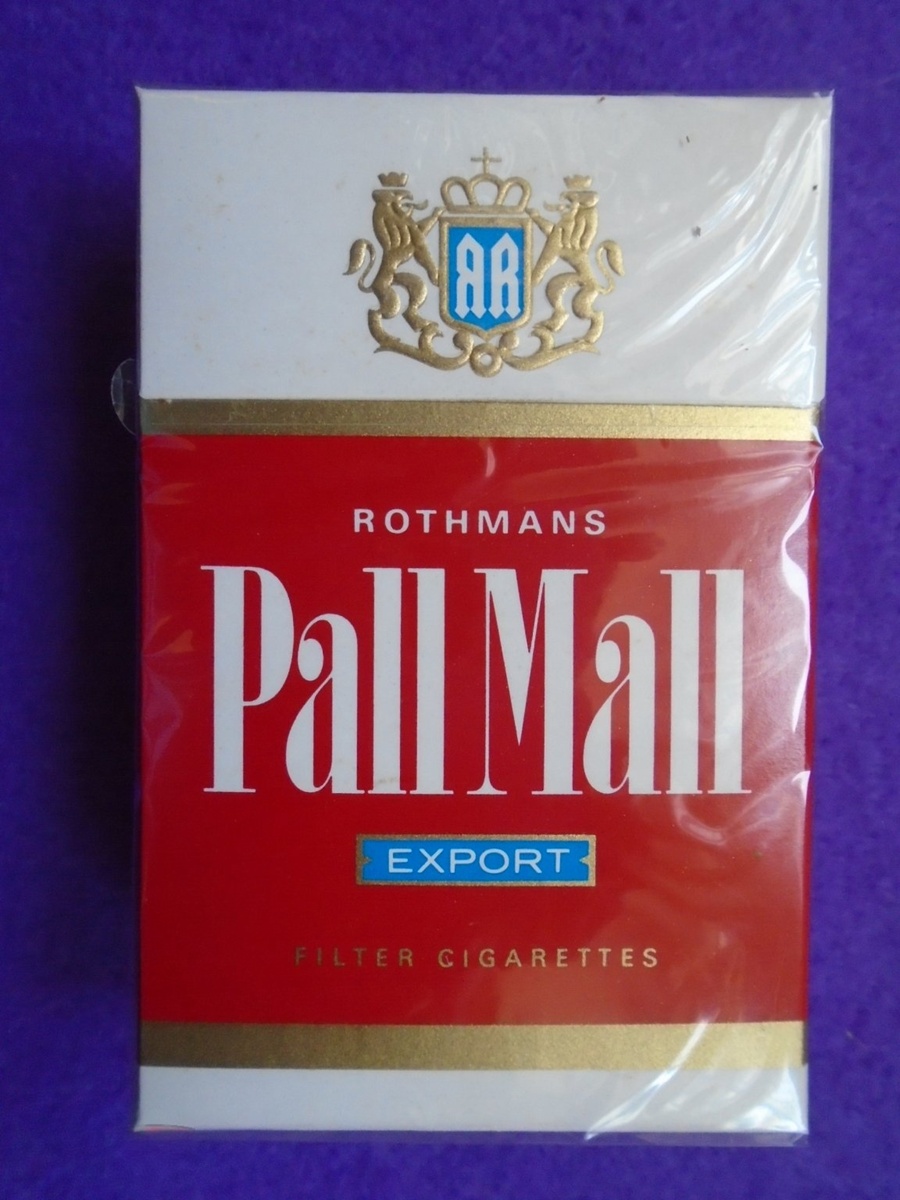
It was an older brand with a long history in both the United States and the United Kingdom. During that era, the company also experimented with different formats, releasing cigarettes in 84, 100, and 120 mm lengths. For many smokers, Pall Mall delivered rich flavor, a dense aroma, and a smooth smoke without an overly harsh throat hit.
Silk Cut — Light, Mild, Almost Airy
If you think back to the mildest English cigarettes of the 1990s, Silk Cut comes to mind almost immediately. They were often appreciated by smokers who wanted lower tar and nicotine but still expected a flavor that did not feel hollow.
Made by Gallaher Group, Silk Cut became known for a lighter style at a time when low-delivery cigarettes were being heavily marketed. Compared with many stronger brands of the era, Silk Cut felt noticeably gentler in both body and finish.
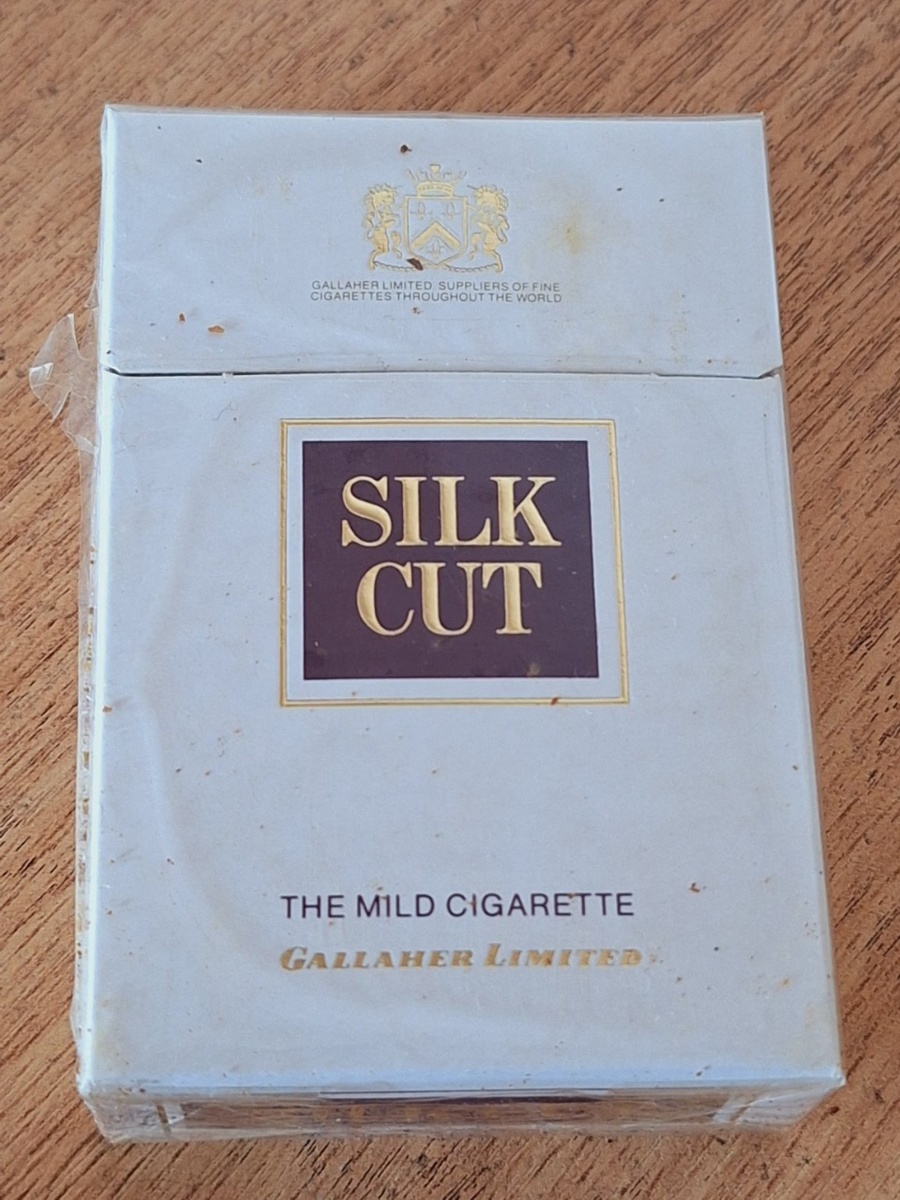
The flavor was mild, the smoke light, and the aroma sweet and herbal. These cigarettes were often chosen by people who did not enjoy heavier tobacco styles or simply wanted something more comfortable for everyday smoking.
That is the thing about these brands: each one carried its own character, its own aroma, and its own unmistakable aftertaste of its time. If they suddenly returned to shelves in their original form, a lot of longtime smokers would probably be tempted to pick up a pack just for the experience.
Bottom Line
English cigarettes in the 1990s stood out because they offered something many smokers felt was different from the mainstream: tighter construction, more distinctive blends, and a stronger sense of brand character. Whether it was the woody sharpness of Sovereign, the polished richness of Dunhill, the bold Virginia profile of 555, the crossover appeal of Pall Mall, or the airy mildness of Silk Cut, each one left its own impression on smokers who remember that era.
Important: This article is intended for historical and informational purposes for adult readers only. Availability of specific cigarette brands, packaging, blends, and specifications may vary by market and over time. Please follow all local laws, age-verification requirements, and tobacco sales regulations before purchasing tobacco products.