
The Unwritten Rules Smokers Lived By
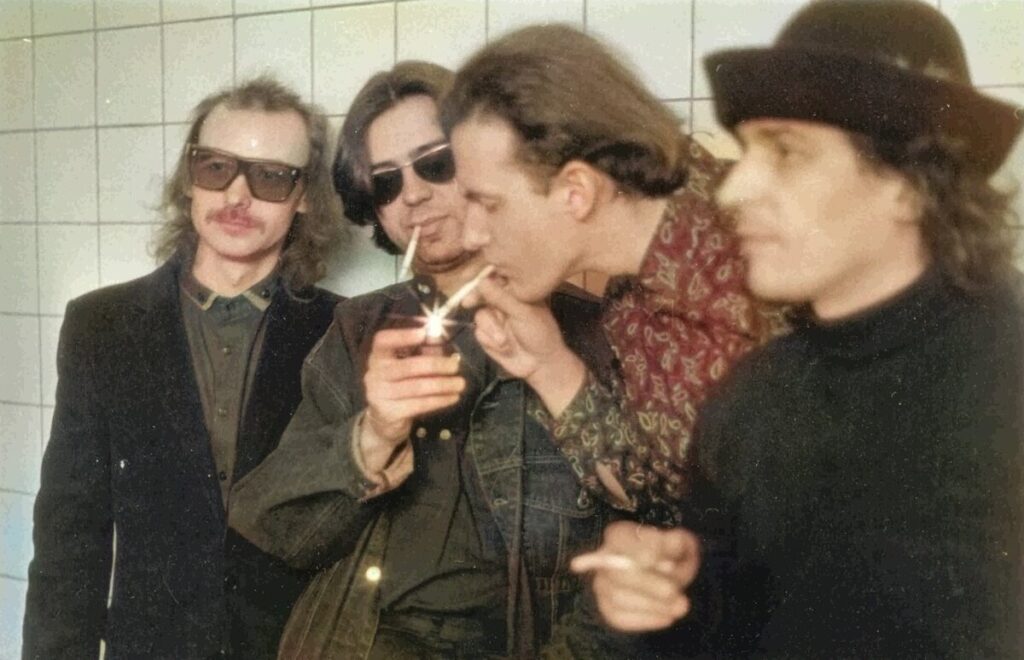
Smoking used to come with its own set of unwritten rules. Long before modern smoking areas and quick disposable lighters, smokers developed a social code around every part of the ritual: how to offer a light, when to share, and what counted as good manners. Those small gestures often said as much about a person as the cigarette in their hand.
For anyone interested in old-school tobacco culture, this was always about more than nicotine. It was part etiquette, part routine, and part social instinct. In this article, we’ll revisit the atmosphere of that era and look at the common rules and rituals smokers once understood without having to say a word.
When Tobacco Fell Into Your Mouth and Quality Seemed to Depend on the Day
Older cigarettes often had a personality of their own. Some smoked harsh, some burned unevenly, and some had the annoying habit of sending loose tobacco straight to your lips. If you ever dealt with an over-dry cigarette or a rough-cut fill, you probably remember the experience well.
Smokers used to joke that quality could change from one batch to the next for no obvious reason. One pack might be smooth and easy, while the next felt brittle, dry, or packed too loosely.
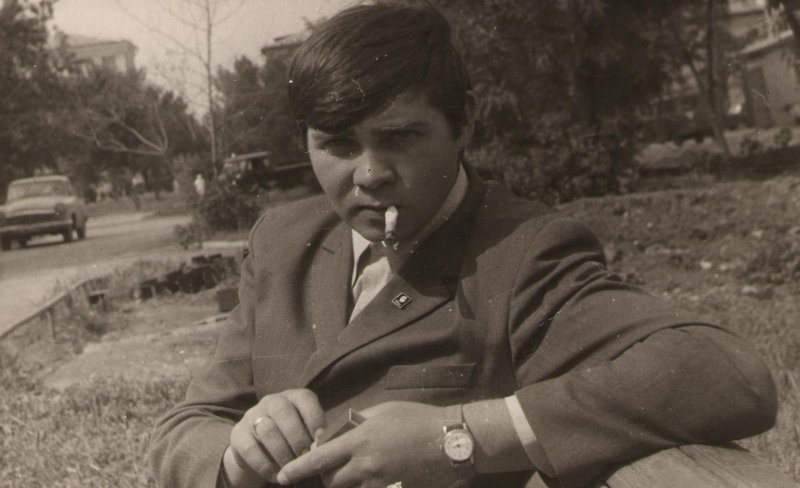
To make things easier, people came up with little tricks of their own. A tiny bit of cotton near the end, a slight bend in the paper, or a quick tap before lighting could help keep tobacco in place. It was simple, practical know-how, and regular smokers passed those habits along the same way they passed along every other small lesson.
The Art of Offering a Light
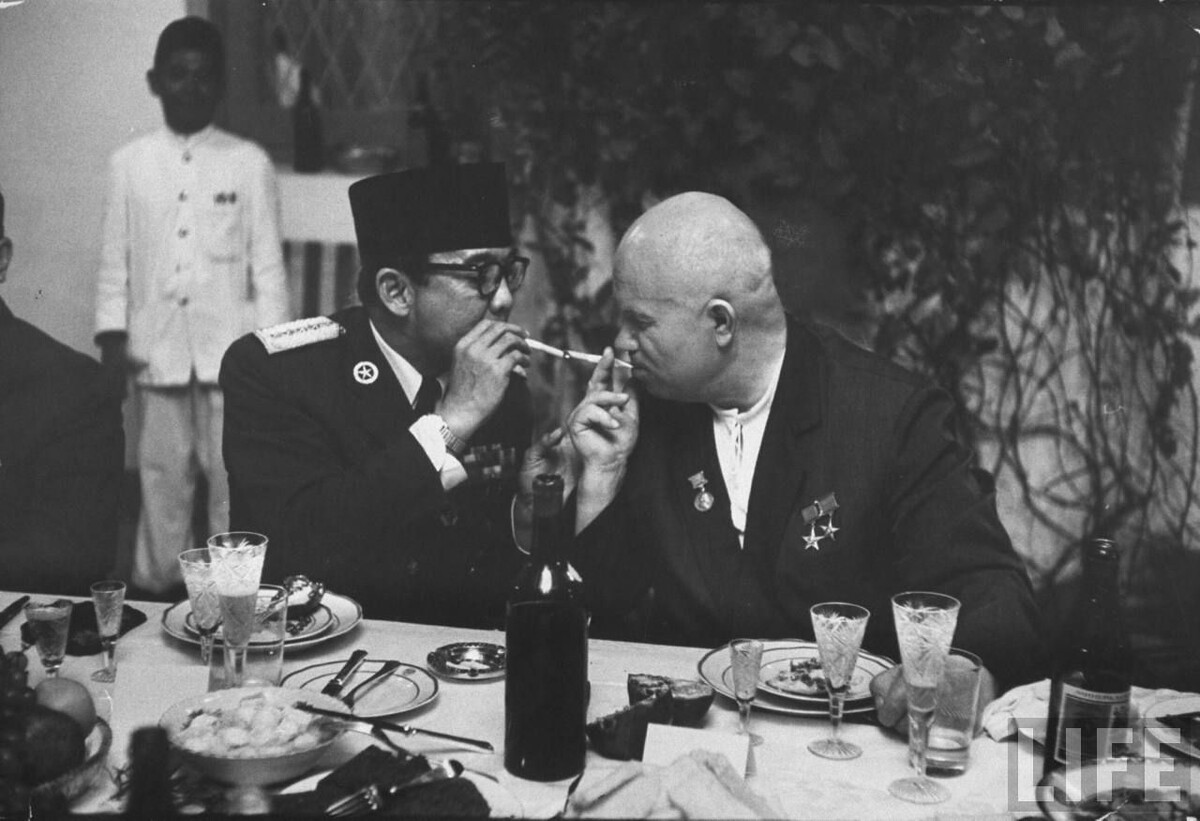
There was a right way to offer a light, and experienced smokers noticed the difference. You were expected to do it steadily, without crowding the other person, and without waving the flame around carelessly. Good form mattered.
The lit end or flame had to face the person lighting up, and the whole motion was supposed to feel controlled and respectful. Blowing smoke in someone’s face or fumbling the gesture made you look clumsy, especially among older smokers who took these details seriously.
Why Some Smokers Carried Two Packs
A lot of seasoned smokers had a strategy: one pack for themselves and one for everyone else. The personal pack held the cigarettes they actually wanted to smoke. The second pack was for the guy who always seemed to appear with a casual, “Got one?”
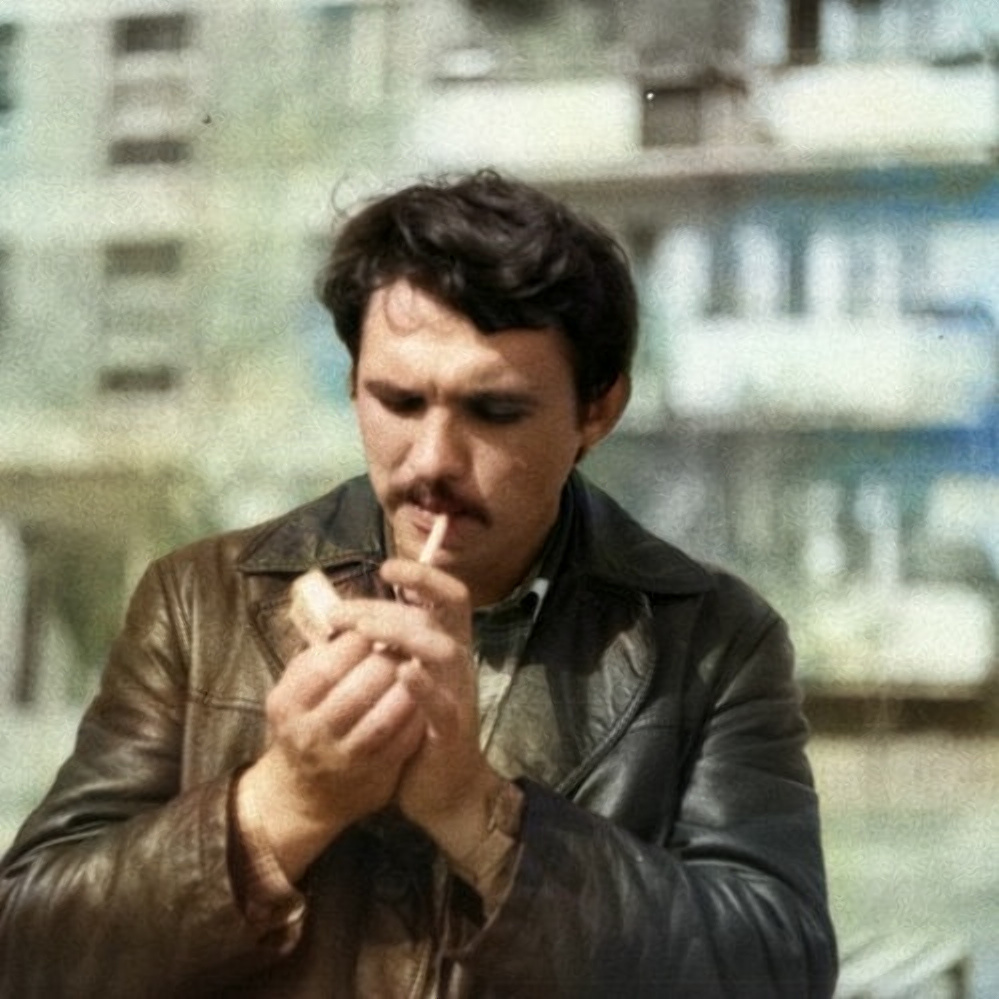
It may sound funny now, but it was an easy way to stay generous without giving away your favorites. On a break outside work, on campus, or after a night out, that second pack could save a lot of irritation.
A Woman Lighting Up in Public
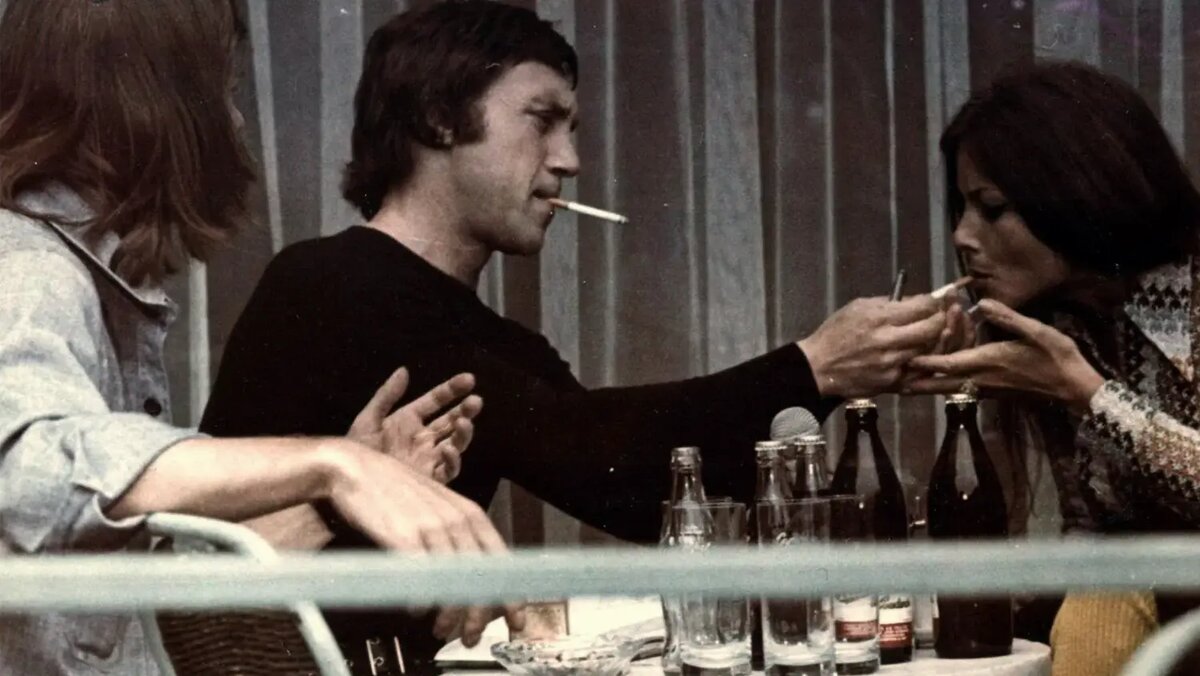
In earlier decades, a woman smoking in public was often treated with a particular kind of formality. If someone offered a light, the idea was to bring the flame to her comfortably rather than make her lean in awkwardly. The gesture was meant to feel smooth, polite, and composed.
That kind of courtesy may seem old-fashioned today, but for many people it was simply part of good manners. A smoke break, like any other social moment, had its own style.
Smoking in Turns
When cigarettes were scarce or someone had only one left, sharing happened in a predictable order. One person took the first draw, the next took a shorter turn, and the last accepted whatever remained. However informal it looked, there was usually a quiet understanding behind it.
People tried not to ash carelessly, over-handle the cigarette, or make the next person uncomfortable. That small bit of discipline was part of what made shared smoking feel like a social ritual rather than simple necessity.
The Last Cigarette Was Sacred
For many smokers, the last cigarette in the pack was off-limits. You could ask for a smoke from a full pack without much embarrassment, but when there was only one left, the rules changed. That final cigarette belonged to the owner, and most people understood it without being told.
It was a simple but widely respected line. You could be generous, but not to the point of being left with nothing.
The “Wet End” and Other Small Rules of Hygiene
Even among smokers, there were boundaries. If someone passed along a half-smoked cigarette or hand-rolled smoke, they were expected to tear off the damp end first or at least clean it up a little. It was basic consideration.
Hand-rolled cigarettes also came with their own habits. People pinched the end to hold the tobacco in place, straightened split paper with their fingers, and did whatever was needed to keep the smoke usable. None of that seemed strange at the time. It was just part of the craft.
Lighting from Another Cigarette
Borrowing a match or using someone’s lighter was ordinary. Lighting directly from another person’s cigarette, though, could feel more personal. Some smokers were fine with it among close friends, but many disliked doing it with strangers.
Part of that came down to superstition, and part of it was simply instinct. A cigarette already in someone’s hand felt like an extension of personal space, and not everyone wanted to cross that line casually.
One Match Wasn’t for Three
The old rule about not lighting three cigarettes from one match stuck around for generations. Two was fine. Three was bad luck. Plenty of people followed it without even knowing where it came from.
There were also smaller habits that seemed to survive on pure tradition. Some smokers always struck matches on one side of the box and left the other untouched, as if there were some private logic to it that never needed explaining.
Smoking as a Social Language
For a long time, smoking was a form of social communication. Step outside during a break, gather near the back porch, linger after dinner, or stand outside a bar, and a cigarette could become an invitation into the conversation. It was a familiar way to connect without much ceremony.
People picked up habits from older smokers almost automatically: how to cup a flame against the wind, how to flick open a matchbook, how to hold the cigarette off to the side so smoke wouldn’t drift into someone else’s face. Those details became part of the culture.
Important: Much of this etiquette belonged to a different time, but the appeal of ritual, courtesy, and shared habits still resonates with smokers who appreciate the old-school side of tobacco culture.
Bottom Line
A lot of these rules may feel nostalgic now, even a little old-fashioned. But that was the charm of smoking culture at its most social: every gesture carried a bit of meaning. Whether it was protecting the last cigarette, offering a proper light, or keeping a second pack for moochers, the ritual mattered almost as much as the smoke itself.
This article is intended as a cultural look at classic smoking etiquette and social rituals from earlier decades.