
What Cigarettes Americans Smoked in the ’90s: Top 10 Most Popular Brands
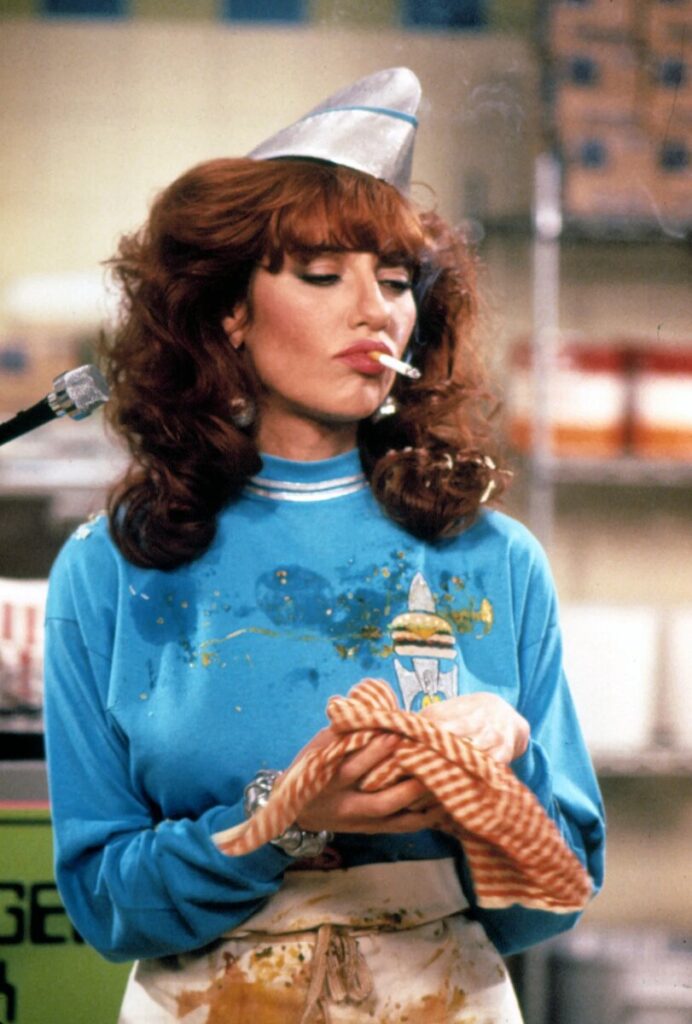
When you watch a ’90s movie and see a character step out onto the porch of an Arizona motel, flip open a Zippo, and light an American cigarette, it makes you wonder what brand he was actually smoking. A lot of people outside the U.S. only knew the biggest export names, but the American cigarette market in the 1990s was much deeper than that. It was intensely competitive, fueled by huge advertising budgets, and dominated by instantly recognizable brands that defined the era.
So as a way of revisiting that time, here are 10 cigarette brands Americans really did smoke in the 1990s. No dry statistics, just the essential facts, a little context, and a sense of what made each brand stand out.
Marlboro Cigarettes
Marlboro was the defining American cigarette brand of the 1990s. It represented the classic American blend: full-bodied, balanced, and slightly nutty, with a direct, unmistakable profile that appealed to a huge range of smokers.
Tar and nicotine levels varied by version, but stronger Marlboro Reds were generally around 12–14 mg of tar and about 1–1.2 mg of nicotine. A pack usually sold for roughly $2 to $2.50, depending on the state and local taxes.
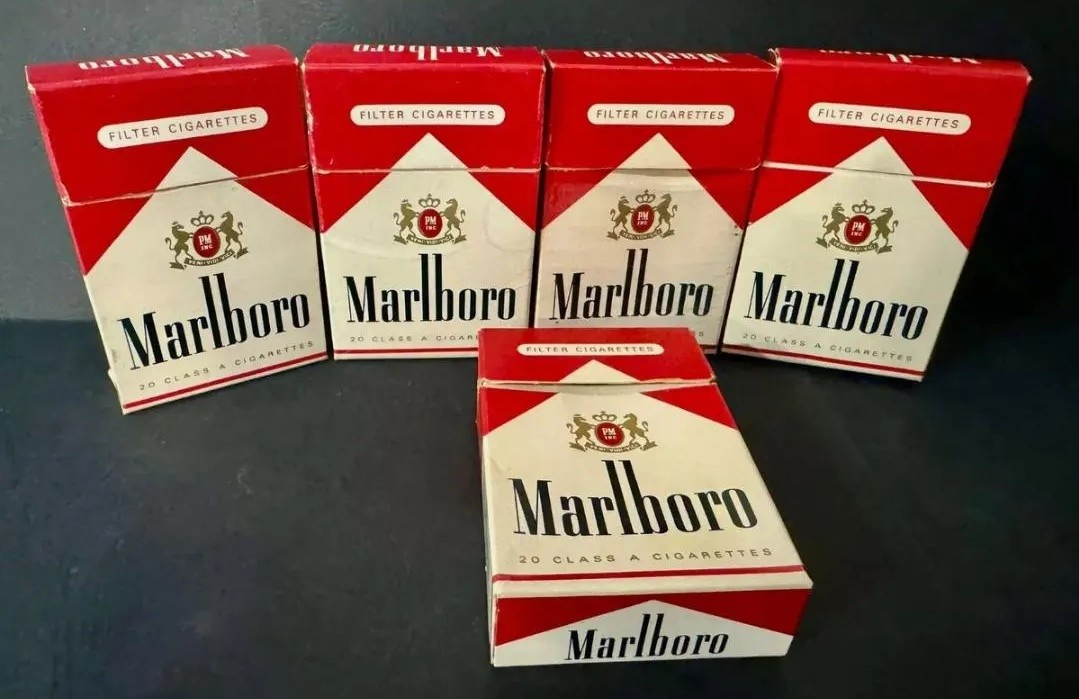
One detail longtime smokers still discuss is the way Marlboro’s blend seemed to soften slightly in the early 1990s. Some say the Turkish component was adjusted, giving the smoke a smoother finish without losing the core character of the brand.
Newport Cigarettes
If there was one menthol that truly defined the American market in the 1990s, it was Newport. The menthol profile was fresh without being overly icy, and many smokers remember it as juicy, lively, and slightly peppery on the finish.
A pack often sold for around $2, and Newport was widely regarded as the top menthol cigarette in the country. It had broad appeal and a loyal following that kept it near the top of the market throughout the decade.
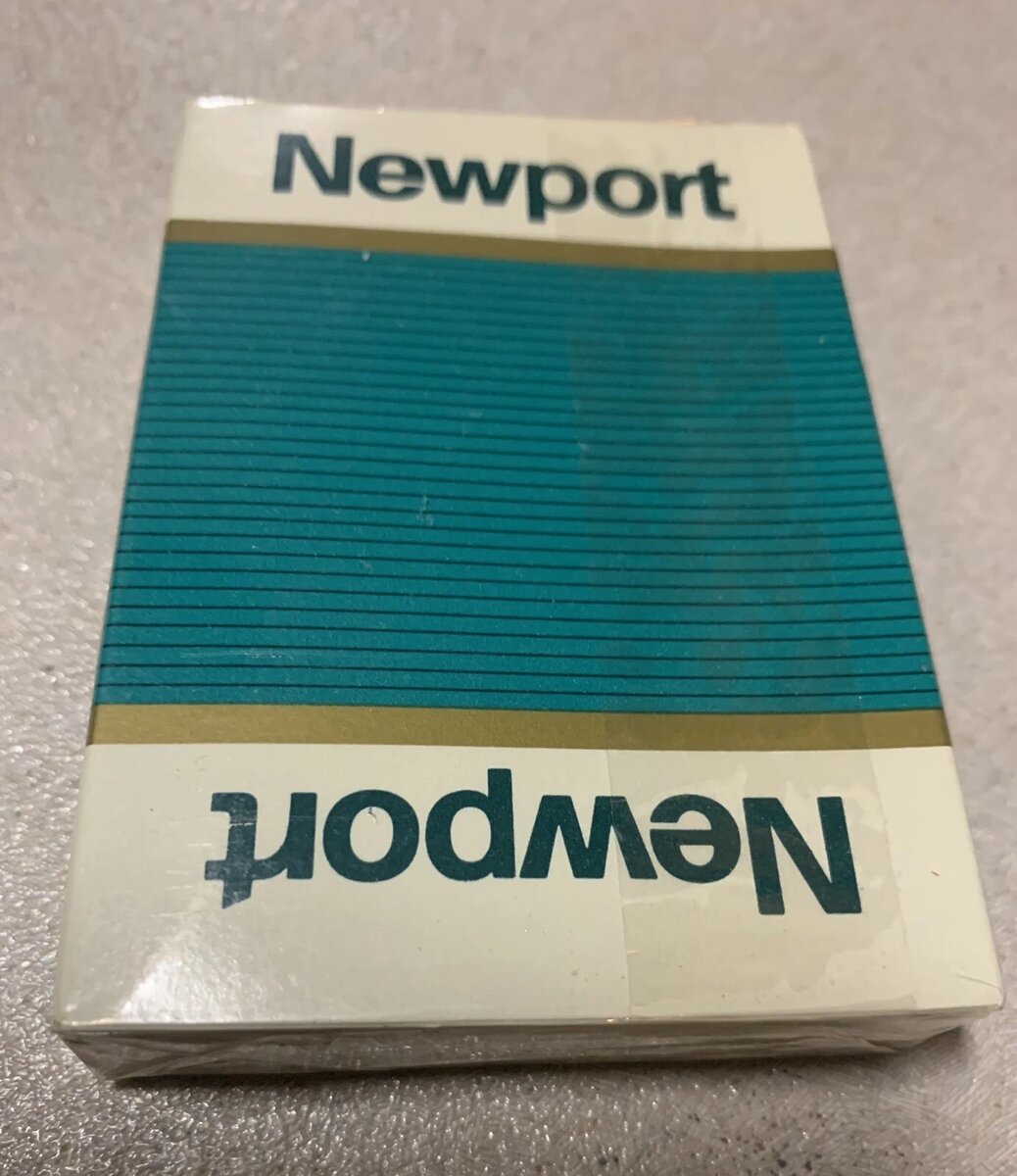
Collectors and longtime smokers sometimes note that Lorillard adjusted the Burley content in certain years to give Newport a little more body. Whether subtle or not, those blend changes are still part of the brand’s lore.
Merit Cigarettes
Merit was one of the brands that tracked closely with the low-tar trend of the era. Made by Philip Morris, it offered a softer, lighter smoking experience with a profile many smokers described as airy and unusually smooth.
Typical versions came in around 8 mg of tar and 0.6 mg of nicotine. Merit appealed to smokers who wanted something milder without fully giving up the feel of a traditional American cigarette.
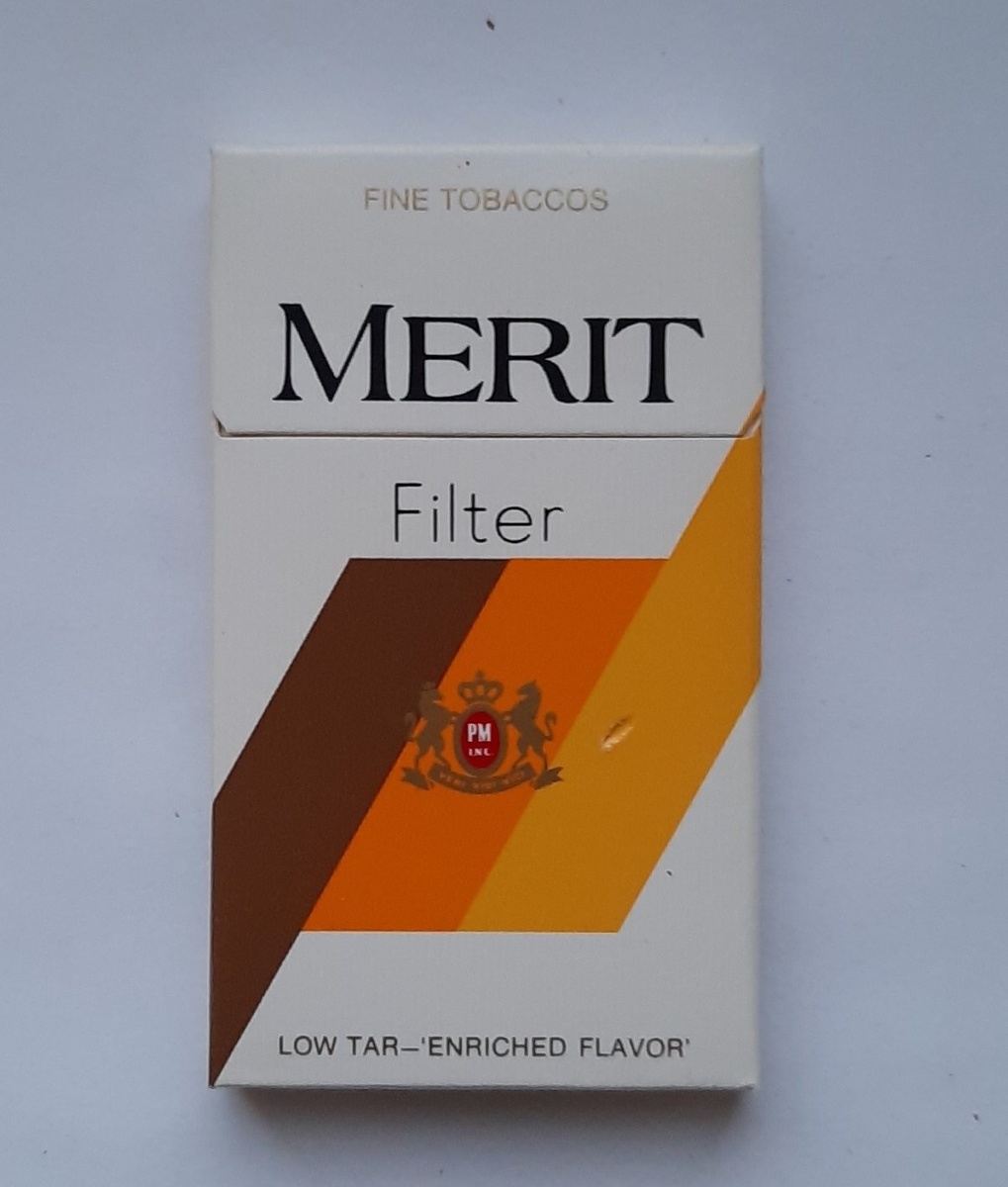
In the mid-1990s, Philip Morris experimented with different filter designs, and some Merit versions reportedly used a two-chamber filter arrangement. It was the kind of product engineering cigarette companies highlighted heavily at the time.
Camel Cigarettes
Camel was more than a cigarette brand in the 1990s. It was a cultural symbol, recognized instantly for its bold packaging and its dry, spicy character driven by Turkish tobacco in the blend.
Camel sold in enormous volume throughout the decade, and its smoke had a sharper edge than many competitors. By the late 1990s, prices were usually around $2 to $2.50 a pack, again depending on where you bought them.
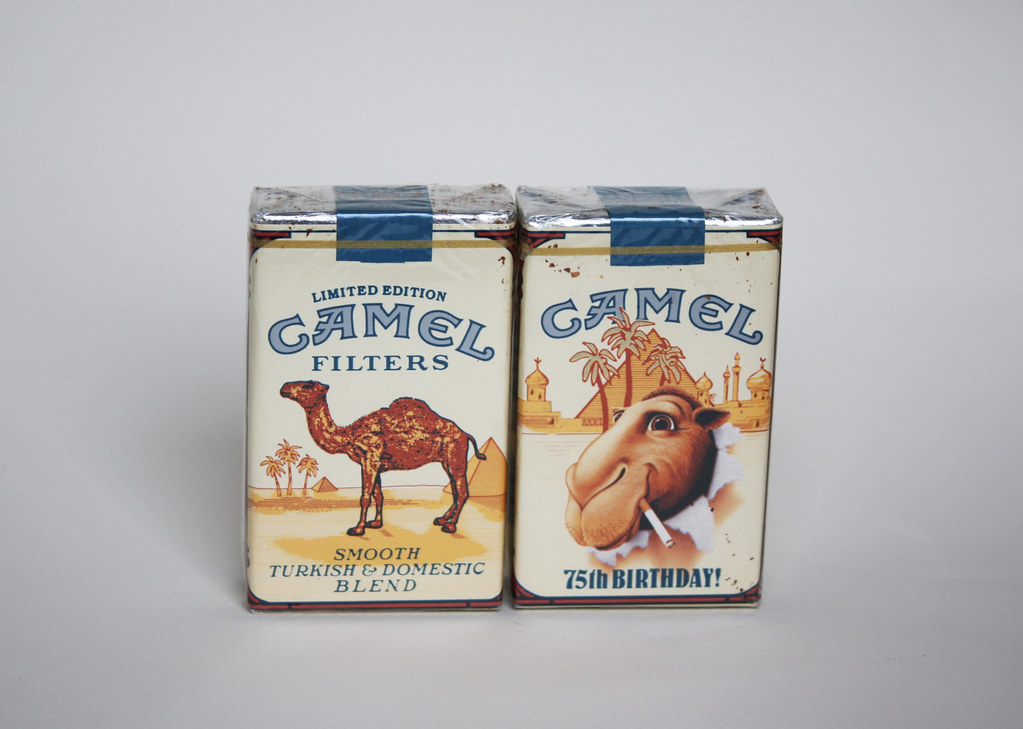
Camel also introduced line extensions during the decade, including lighter variations with a somewhat sweeter and softer profile. Even so, the standard yellow pack remained the version most smokers associated with the brand.
Pyramid Cigarettes
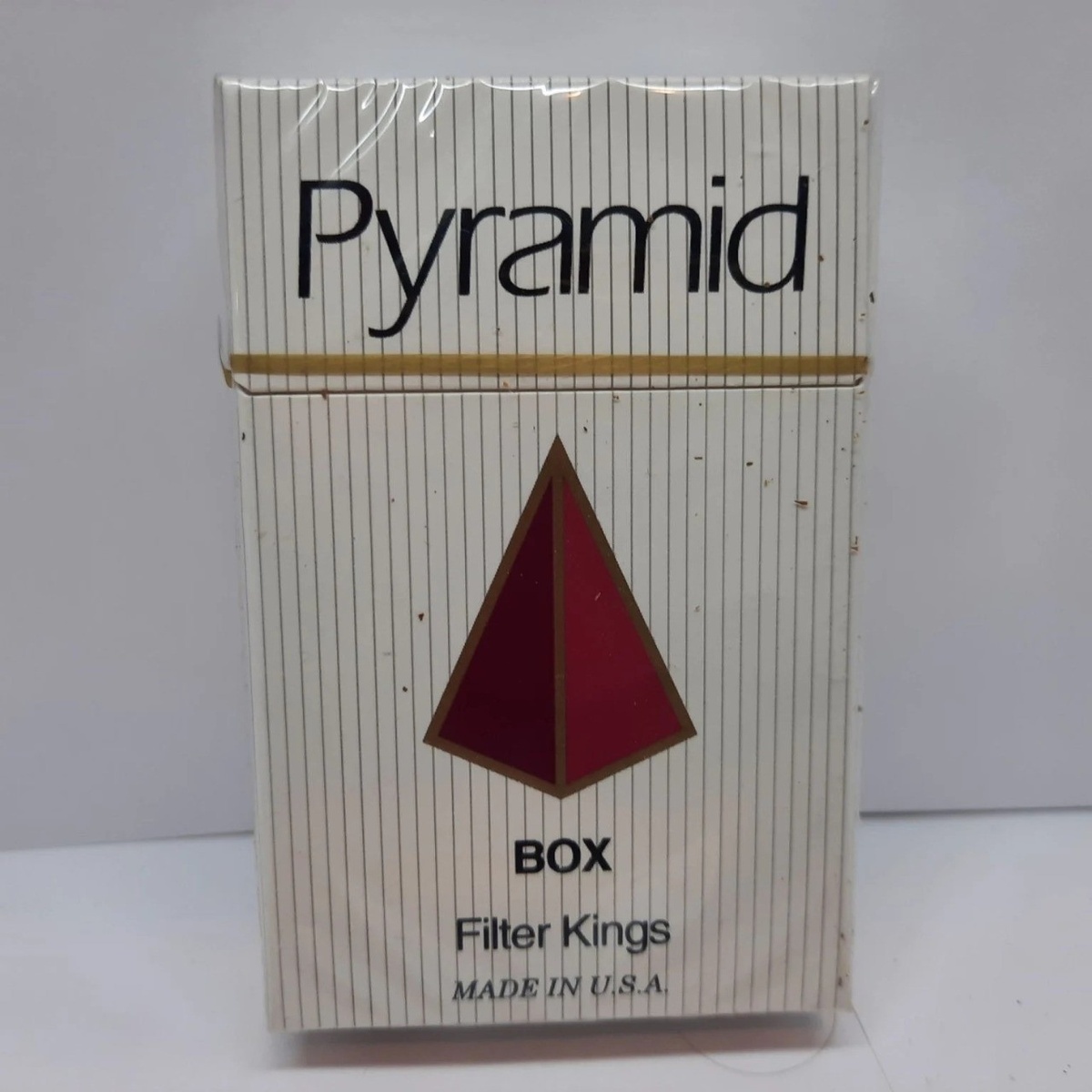
Pyramid is one of those 1990s brands that doesn’t always get mentioned first, but it had a real presence in the U.S. market. Made by Liggett Group, it was positioned as affordable without feeling bottom-tier.
The blend followed a familiar American style, with a little tartness and a mild tang that helped it stand apart from some other value brands. A pack usually cost about $1.50 to $1.70, making it a practical choice for everyday smokers.
Pall Mall Cigarettes
In the 1990s, Pall Mall was produced by Brown & Williamson, later associated with the R. J. Reynolds portfolio after industry consolidation. It offered a calm, mild smoking profile with a gentle sweetness often linked to a higher Virginia content.
Many smokers remembered a slight nutty note in the blend, something very much in line with classic American-style cigarettes. Its accessible price point helped make Pall Mall a dependable favorite for smokers who wanted consistency without paying top premium prices.
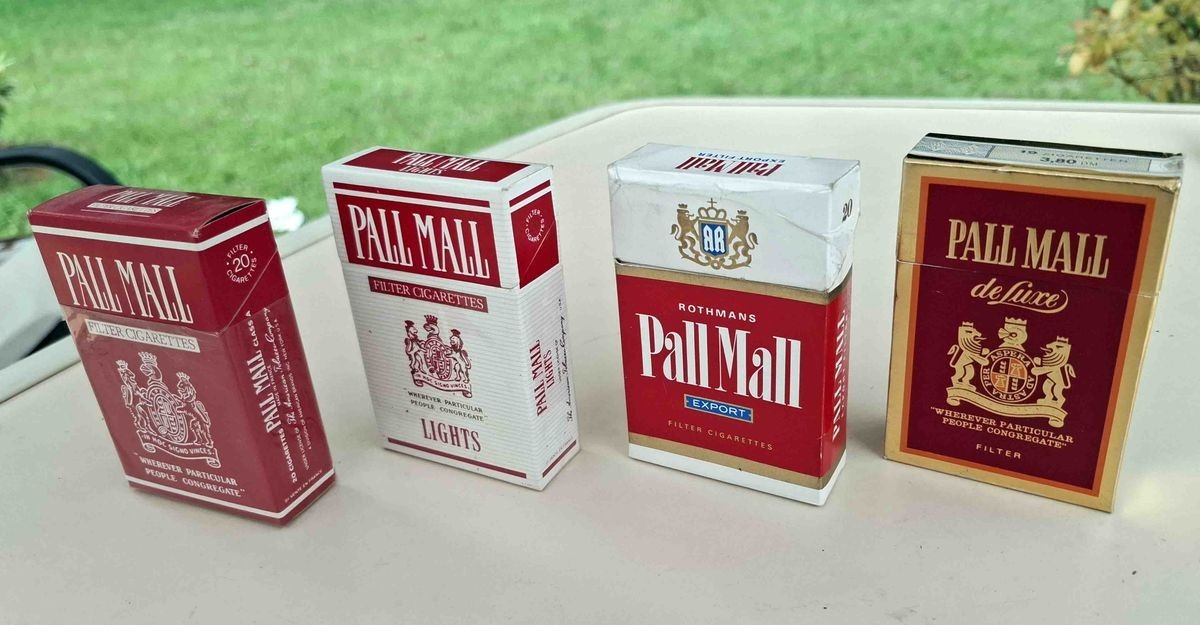
It may not have had the same flashy image as Marlboro or Camel, but that was part of the appeal. Pall Mall felt straightforward, familiar, and easy to stick with.
Doral Cigarettes
Doral was especially popular among smokers looking for a premium-style experience at a lower price. The brand was associated with the value segment, but it built a reputation for delivering more flavor and balance than many people expected from that category.
The article source attributes production to R. J. Reynolds, and stronger versions were described at around 5–6 mg of tar and about 0.6 mg of nicotine. The blend leaned on Virginia and Burley and was often remembered as relatively clean-tasting for a discount brand.
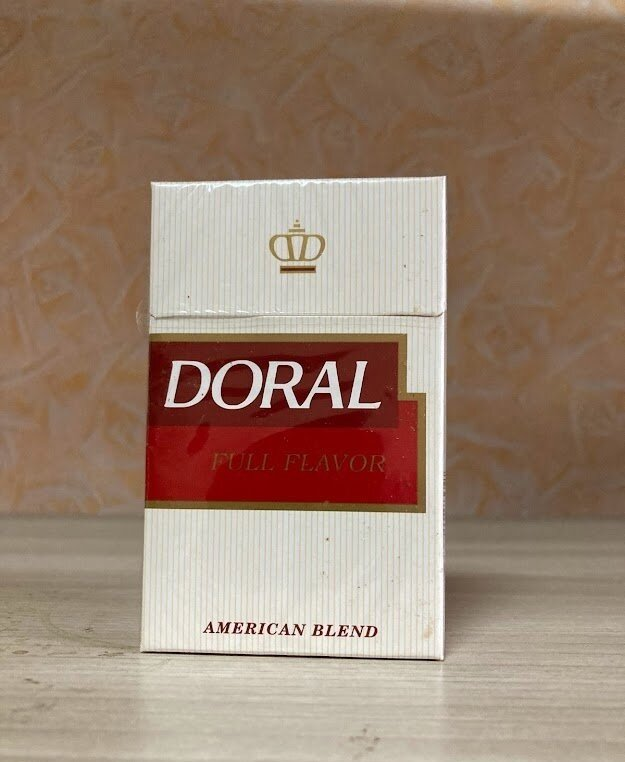
Some longtime smokers also remember Doral for its unusual filter design, which reportedly included internal plastic vanes. It was another example of how brands in that era tried to differentiate themselves through small technical details.
Winston Cigarettes
Winston was one of the major American cigarette names of the 1990s and still carried strong brand recognition nationwide. Made by R. J. Reynolds, it offered a toasty, full flavor that many smokers found richer and heavier than some competing premium brands.
Its pricing leaned more premium, typically around $2.80 to $3 a pack. Winston also built a reputation for maintaining a cleaner, more tobacco-forward blend with less sweetening or sauce than some rivals.
That more straightforward profile helped Winston keep an old-school image well into the following decade. For smokers who wanted something solid and traditional, it remained a serious contender.
Kool Cigarettes
If Newport was the leading menthol brand of the period, Kool was right behind it in name recognition. Its menthol character was colder, sharper, and more direct, which gave it a distinctly different identity in the category.
A pack usually sold for about $1.80 to $2. Kool also stood out for the way it was marketed during the decade, especially through music events and jazz-oriented promotions that gave the brand a strong lifestyle angle.
That cooler, more assertive menthol profile wasn’t for everyone, but for smokers who liked it, few substitutes felt quite the same. It had a style all its own.
Kent Cigarettes
Kent was generally seen in the U.S. as a slightly more refined mainstream brand. It was associated with Lorillard and later with broader tobacco industry restructuring, but in practical terms smokers knew it for its smooth draw, balanced flavor, and filter technology.
By the late 1990s, a pack usually cost around $2.50. The flavor combined a sweet Virginia note with a slightly nutty bitterness, giving Kent a profile that felt polished without becoming bland.
Kent also played a visible role in the era’s push toward more advanced filters, including charcoal elements and updated mouthpiece designs. At the time, that gave the brand a reputation for being a little more technical and a little more modern than some of its rivals.
Bottom line
The American cigarette market of the 1990s was defined by a handful of powerhouse brands, but each one had its own identity. Marlboro, Camel, Newport, Winston, Kool, Kent, Merit, Pall Mall, Doral, and Pyramid all occupied distinct places in the market, from premium full-flavor classics to budget-friendly everyday smokes and category-leading menthols. If you remember the era, these names probably still bring back a very specific time, place, and style of smoking.
Important: Cigarette branding, blends, pack design, and pricing often changed by year and by state, so details could vary depending on when and where a smoker bought them.
This article is for historical and cultural interest. Brand characteristics, ownership, packaging, and pricing may have changed significantly since the 1990s.