
Marlboro for Fifty Cents… Is It Worth Smoking?
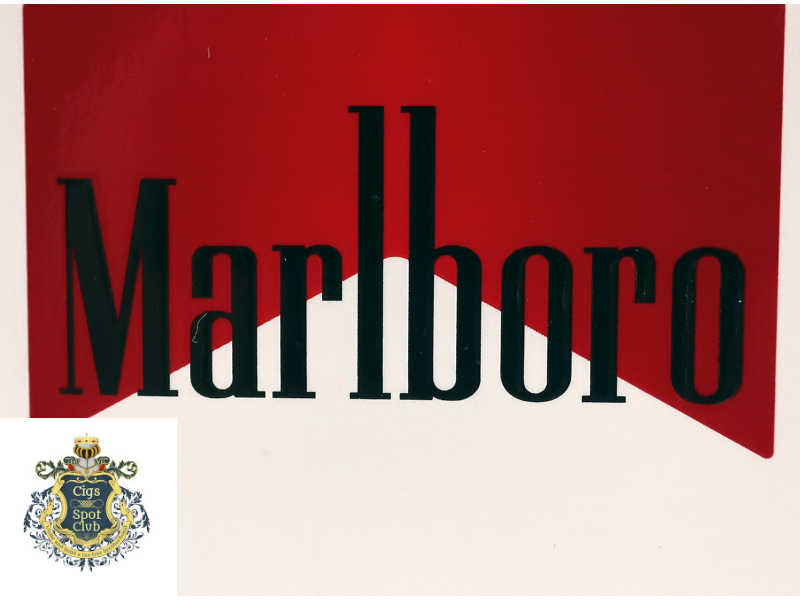
Marlboro is easily the most recognizable cigarette brand in the world, and that kind of name recognition has always attracted imitators. Some copy the look of the pack as closely as possible, while others only borrow enough design cues to catch a buyer’s eye. The result is a steady stream of Marlboro-style knockoffs that try to benefit from the appeal of the original.
Most of these products are not especially imaginative. They usually stick close to the familiar modern red-and-white pack design, because going too far off-script would make the fake obvious even to a casual smoker. That makes them interesting to examine, especially when they’re sold at prices that clearly place them far below the real thing.
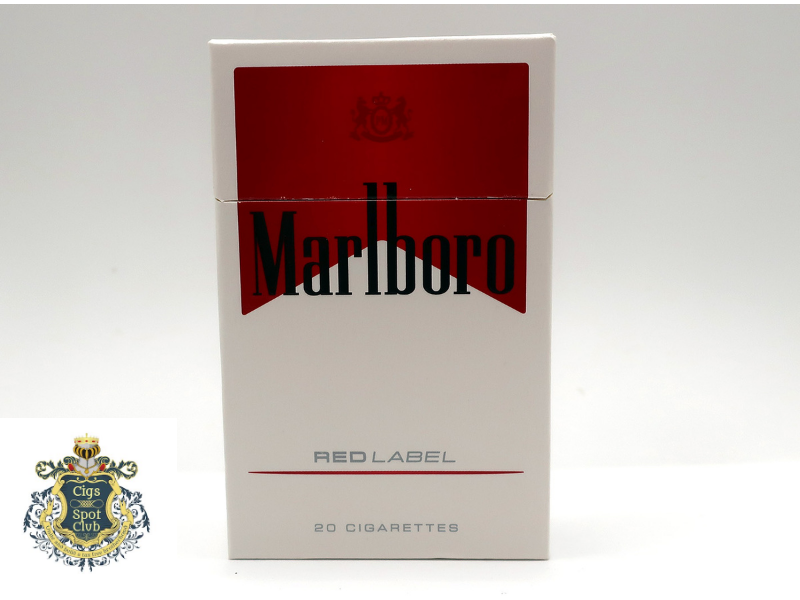
The packs shown here are typical of low-cost counterfeit or imitation cigarettes found in informal markets. From a distance, the design does resemble the original, but only in the broadest sense. The low price is the biggest giveaway, since authentic Marlboro products simply do not sell at bargain-bin levels.
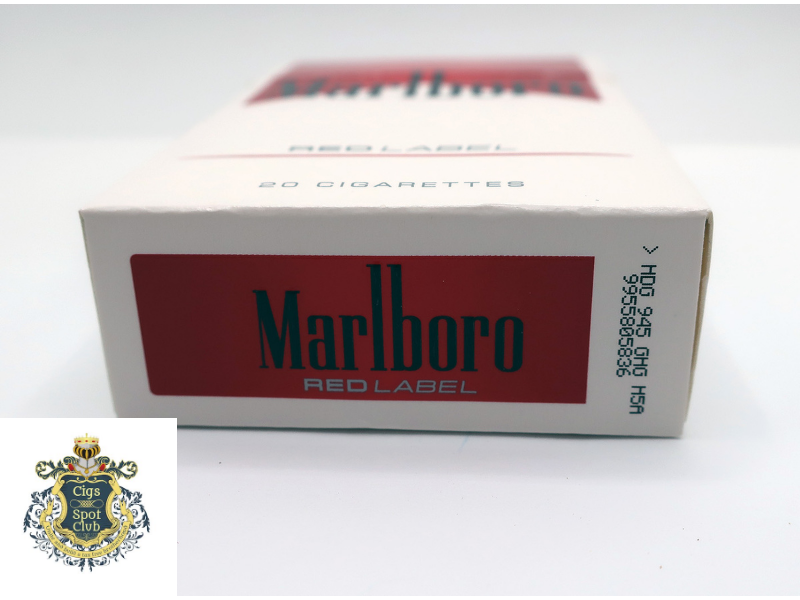
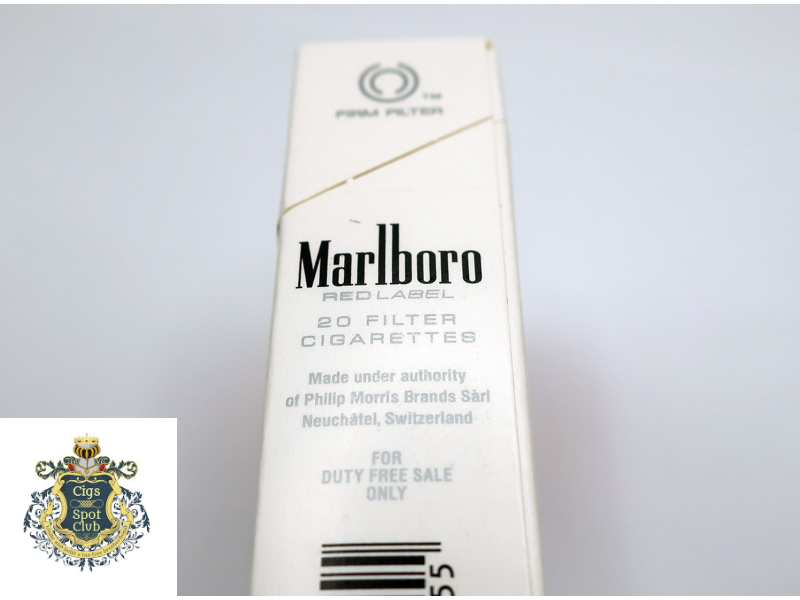
This particular version is a good example of what a super-cheap Marlboro-style imitation looks like in real life. There is little value in focusing too much on technical pack details such as the barcode or manufacturing text, because products like this often print whatever they want on the packaging. In that segment of the market, appearance matters far more than accuracy.
Once you open the pack, the cigarettes themselves actually look closer to the real thing than you might expect. The tipping paper is fairly restrained and avoids the exaggerated look seen on some lower-end fakes. Even so, the differences become obvious almost immediately: the tobacco rod feels overpacked, while the filter feels softer and less refined than on a genuine Marlboro Red.
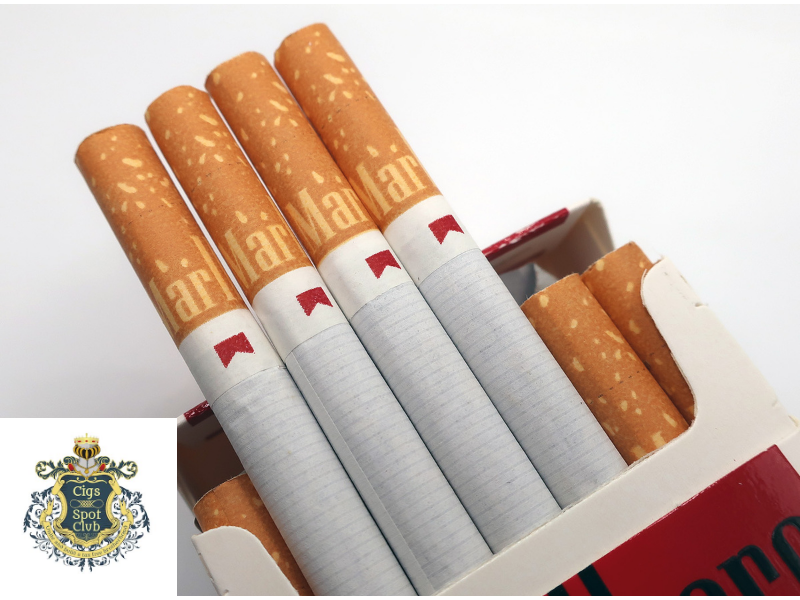
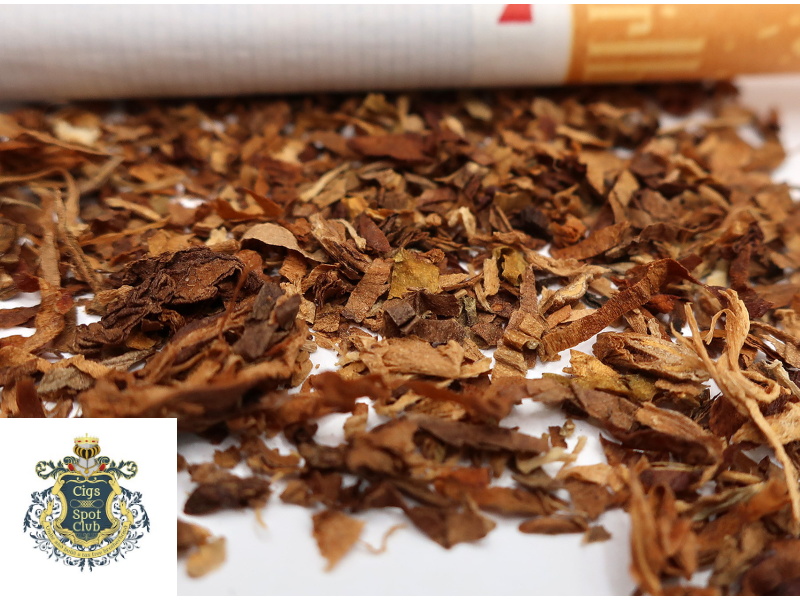
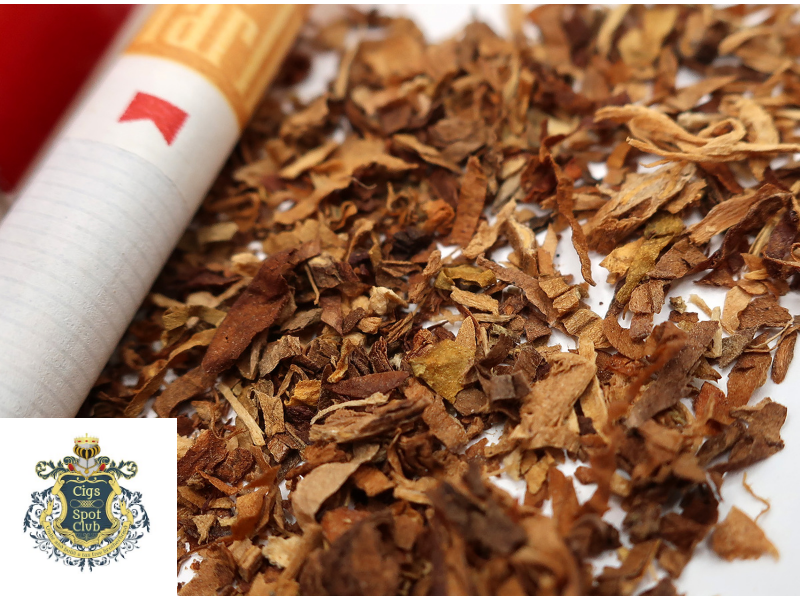
That denser feel seems to come from the amount and texture of the filler. There appears to be more tobacco packed into the rod than you would typically find in a standard king-size premium cigarette, but the blend itself looks rougher and less consistent. There is more color variation, visible stem content, and an overall appearance that suggests a middle-of-the-road imitation rather than a convincing copy.
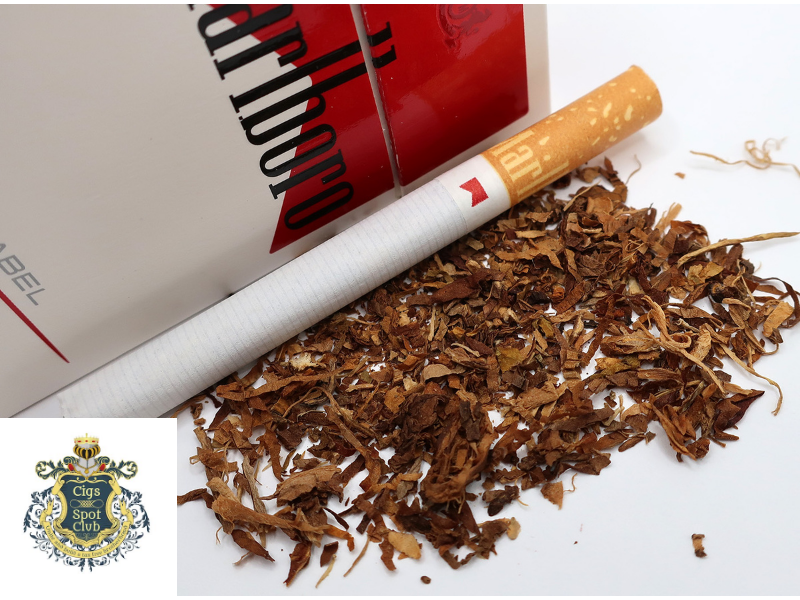
In terms of smoking character, the blend delivers moderate-to-firm strength but not much refinement. The profile leans woody and dry, with a noticeable bitterness and a hay-like background note. The upside is that it does not seem overloaded with sweet flavoring or artificial “dessert” notes, so the taste stays simple even if it never becomes especially rich or satisfying.
Important: Products like this mainly compete on price and visual familiarity, not on consistency, legality, or quality control. For that reason, they tend to fall well short of established premium brands in both build and taste.
Bottom line
As a pure taste-and-construction review, this is a passable but unimpressive Marlboro-style knockoff. It is smokable in a basic sense, with enough strength to satisfy some smokers, but it lacks the cleaner flavor, consistency, and overall polish that made the original brand famous. For anyone comparing cigarette quality rather than just package design, this imitation lands squarely in the low-budget category.
Have you ever run across cigarette packs clearly designed to mimic a major brand? It’s always interesting to see how closely they follow the original—and where the shortcuts start to show.
This article is presented for informational and product-comparison purposes only.