
Kent Silver: Excise Version vs Clone — Is There a Real Difference?
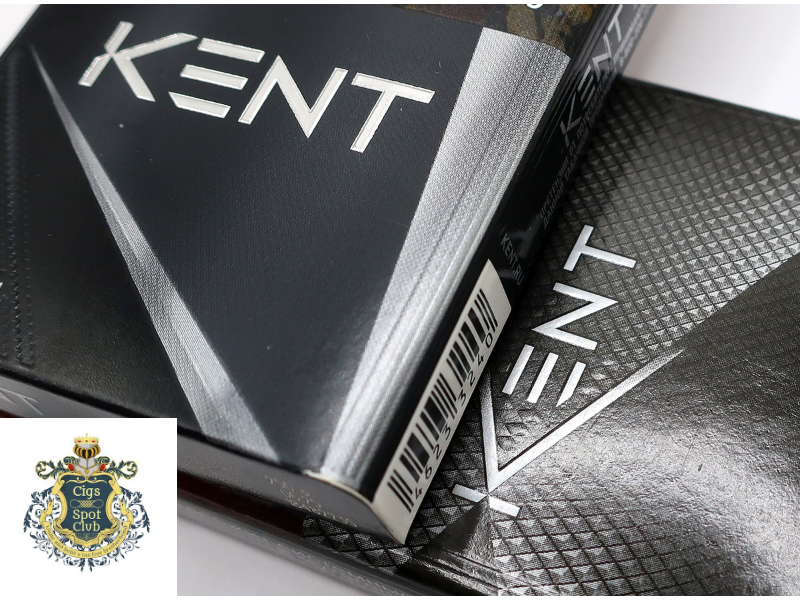
Let’s be honest: a lot of smokers have heard the claim that a clone can sometimes be better than the original. That is not always true, of course, and a lot depends on the specific batch. Still, the idea alone is enough to make people curious.
Today I’m taking a close look at a Kent Silver clone and a legitimate retail-market version of Kent Silver. I’ll show how they differ and share my own opinion on both versions.
The quality of a clone is often a matter of luck. Sometimes the tobacco is at least decent, but just as often it turns out to be dry, flat, and barely worth smoking.
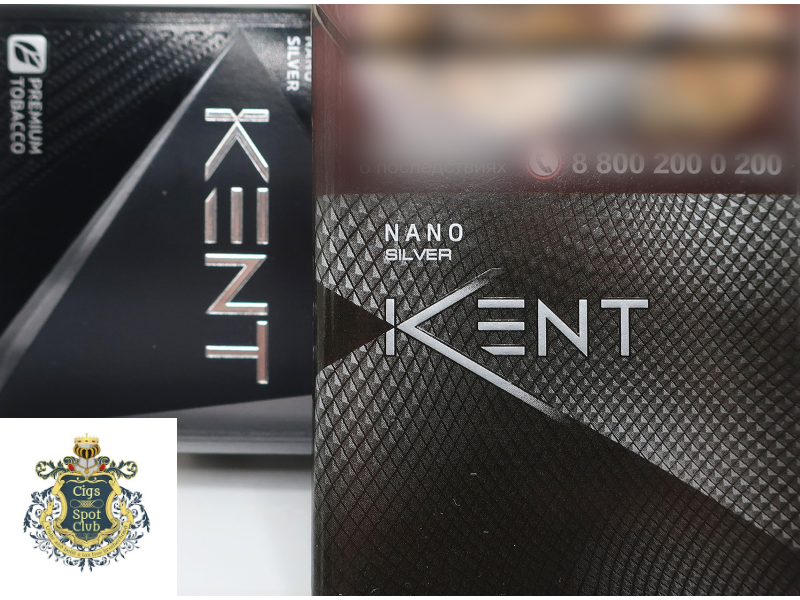
This is not my first review comparing a clone or counterfeit to the original product sold through legitimate retail channels. The slim “toothpick” format may not be the most mainstream, but I was especially curious about Kent Silver because this version was recently updated and some smokers say it is better than the older release.
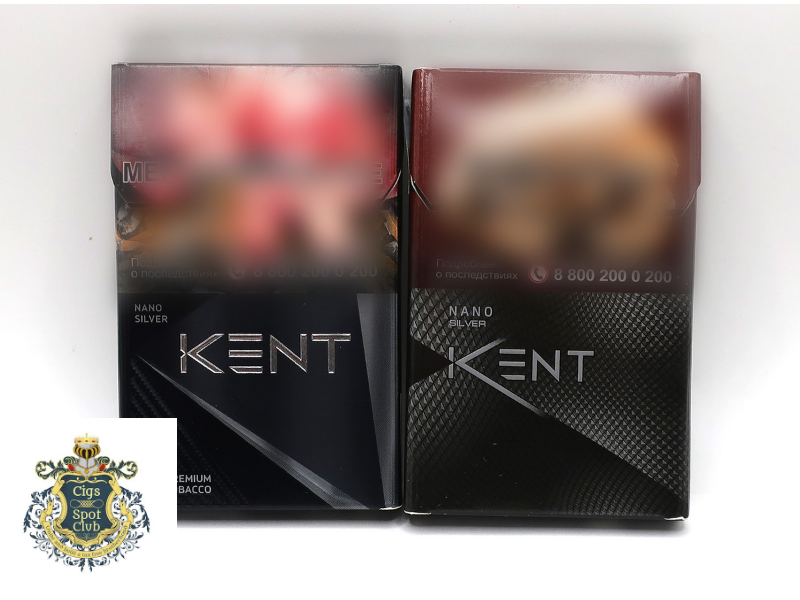
Thanks to the redesign, the clone and the original are now much harder to confuse. The Silver pack has changed enough that the two versions look clearly different side by side.
Because of that redesign, the white version of the brand now looks radically different from the counterfeit version.
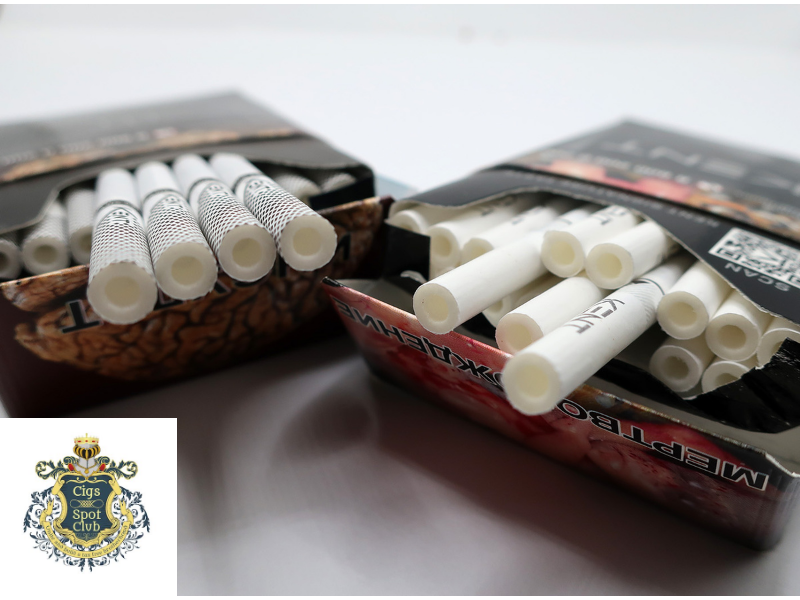
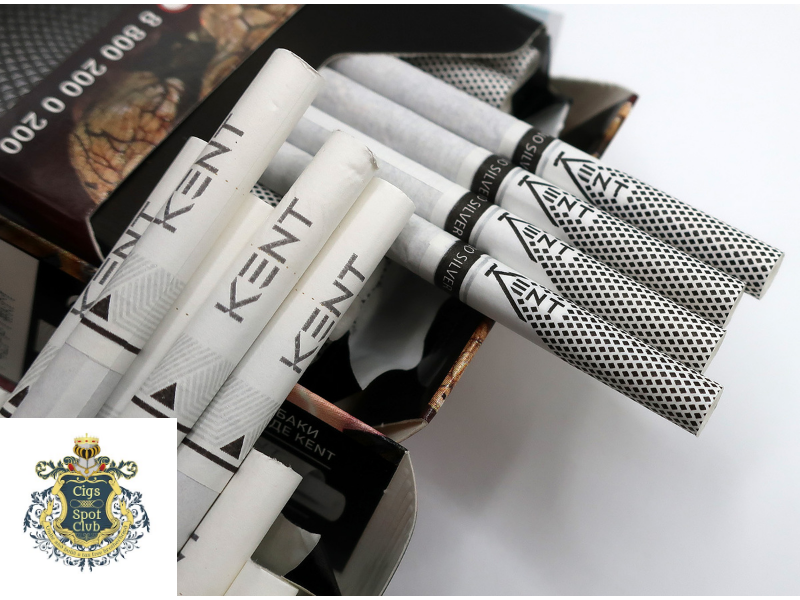
At the same time, the basic cigarette construction in the newer Silver does not appear to have changed much. It is still the Nano format with a two-section acetate filter. There is, however, at least one structural difference: the legitimate retail version has a perforation ring, while the clone does not. That does not automatically mean the clone smokes stronger, but it is worth noting.
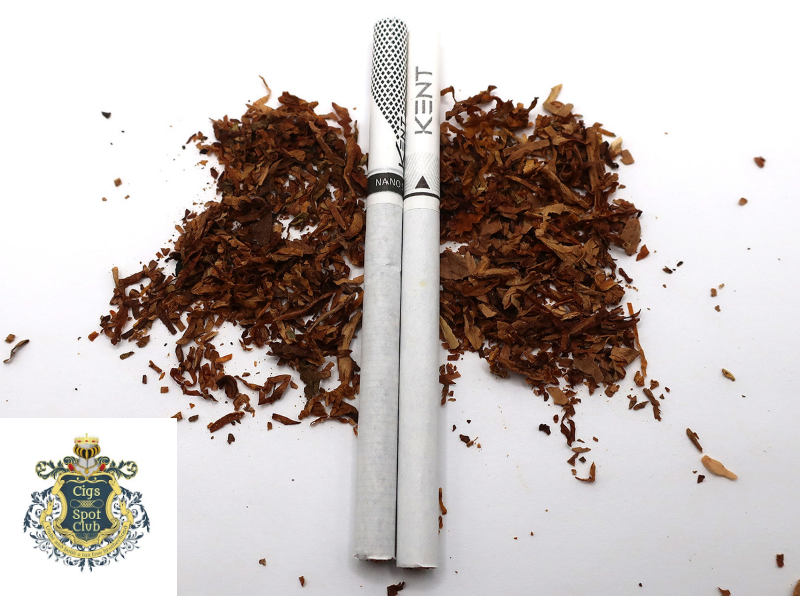
The packing density is about the same in both versions, but the blend itself is different, which is only to be expected. This is a clone, not simply gray-market original stock. Are there meaningful differences? Yes. The legitimate retail blend has a coarser cut, more visible stem, and a slightly lighter color overall. That does not necessarily make the clone better quality. It also contains plenty of stem, and the final flavor and strength depend on more than just appearance.
Retail Kent Nano Silver
The blend looks fairly varied in color, with both pale yellow fragments and darker brown pieces. There is also a generous amount of expanded stem and reconstructed sheet tobacco in the mix, so it is hard to expect especially rich natural strength from the smoke.
I am not a major Kent smoker, and this format is not something I reach for often, so I cannot say with certainty whether the blend changed dramatically from the previous version. What I can say is that the smoke quality is decent overall. Despite the slim size, it carries a noticeable amount of flavor, although most of it seems to come from the casing: something close to dry biscuit with a moderate bitterness.
That bitterness feels fairly natural and does not come across like burnt paper. Even so, the overall strength tops out around a mild-to-medium level, roughly a 4 out of 10, so this is not a cigarette that delivers much real weight.
Kent Nano Silver Clone
The blend here is noticeably darker and cut more finely. There are very few light fragments, and most of those appear to be stem. Unlike the expanded stem in the retail version, this looks more like ordinary longitudinal-cut stem, almost like dry splinters.
I did not notice any reconstructed sheet tobacco in the clone. Most of the fill consists of small ribbons that, at least structurally, resemble actual tobacco more than the retail version does.
As for the smoke, it is not really comparable to the retail-market version. There is none of that signature casing profile here, not even a hint of it, which makes the smoke feel much simpler. The main impression is a plain woody note with a faint hay-like undertone.
Overall, it is not a bad flavor for an everyday cigarette. The strength does feel somewhat higher, maybe around a 6 out of 10. The difference is not huge, but it is there.
Important: Counterfeit tobacco products can vary heavily from batch to batch, so one decent pack does not guarantee consistent quality the next time around.
Bottom line
The takeaway is pretty much what you would expect: these two versions are completely different in most respects. The smoke tastes distinctly different, and in this case it would be a stretch to say the clone is better than the legitimate retail version. They are simply different products. The updated retail version is perfectly acceptable, especially if you do not mind a profile shaped heavily by casing. The clone, at least in this sample, is also surprisingly smokeable as a basic everyday option. Its flavor is simpler, but some smokers may actually prefer that stripped-down character.
Price is still one of the biggest dividing lines. In the U.S. market, a legitimate premium-style pack can easily land in the $8 to $14 range depending on state and local taxes, while counterfeit or clone products usually show up far below normal retail pricing. Whether that lower price translates into good value is another question entirely.
Editor’s note: This article is presented as a product-format comparison for informational purposes. Availability, packaging details, and blend characteristics may vary by market and production batch.