
Which German Cigarettes Were Popular? Top Brands from the GDR and FRG
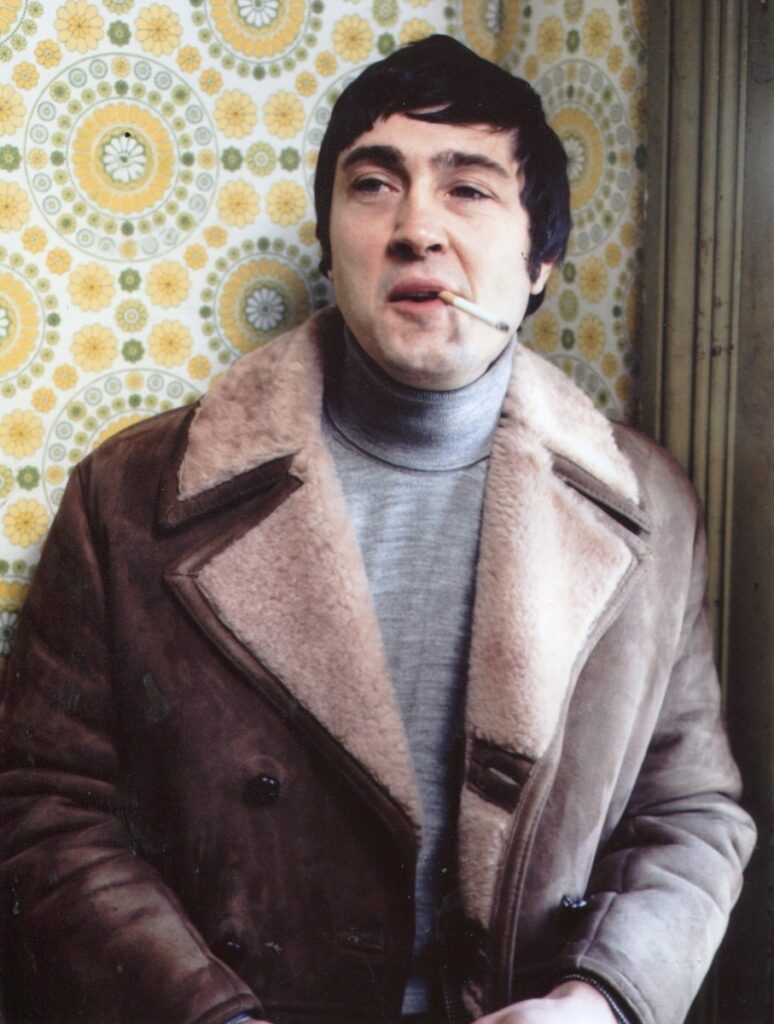
Among import and collector circles in the United States, German cigarettes have long held a special reputation: quality leaf, even strength, and that unmistakable clean, aromatic bouquet. Shipments were never exactly steady—packs tended to arrive via duty-free shops, PX/commissary runs, airline carts, specialty tobacconists, or friends returning from Europe—so each carton felt like a small trophy.
Many of these brands carried a touch of exclusivity. They typically commanded a premium over common European imports, but the blend consistency, careful processing, and distinctive flavor profiles made them worth seeking out for U.S. smokers who appreciated well-made classics.
HB Cigarettes
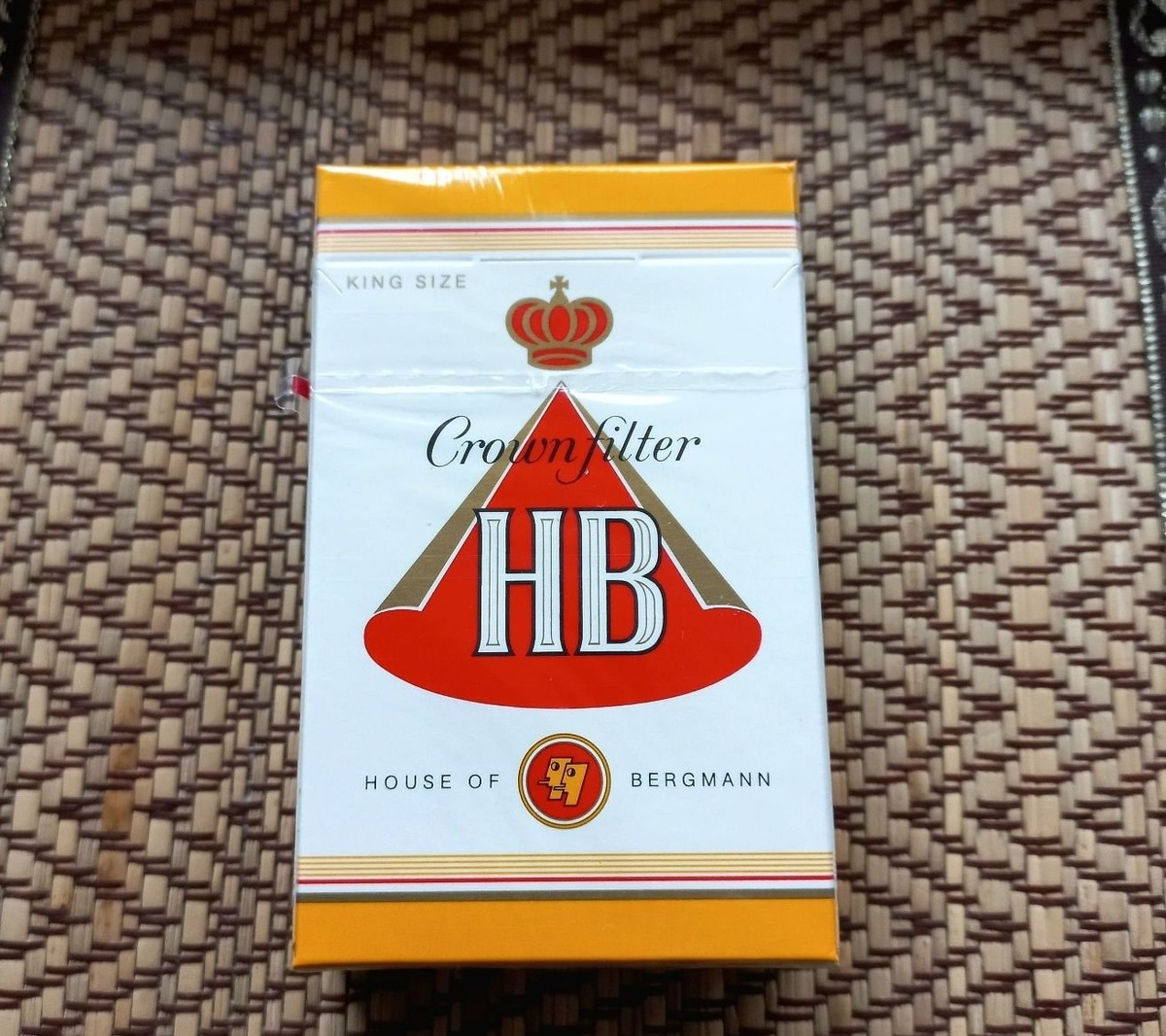
HB is one of the most recognizable West German names, produced by Haus Bergmann beginning in 1955. U.S. fans prized HB for its predictable flavor and refined build quality.
Typical yields ran around 16–17 mg tar and 1–1.2 mg nicotine. The profile was distinctive: rich tobacco with a gentle, natural sweetness and a clean finish—classic German balance without rough edges.
F6 Cigarettes
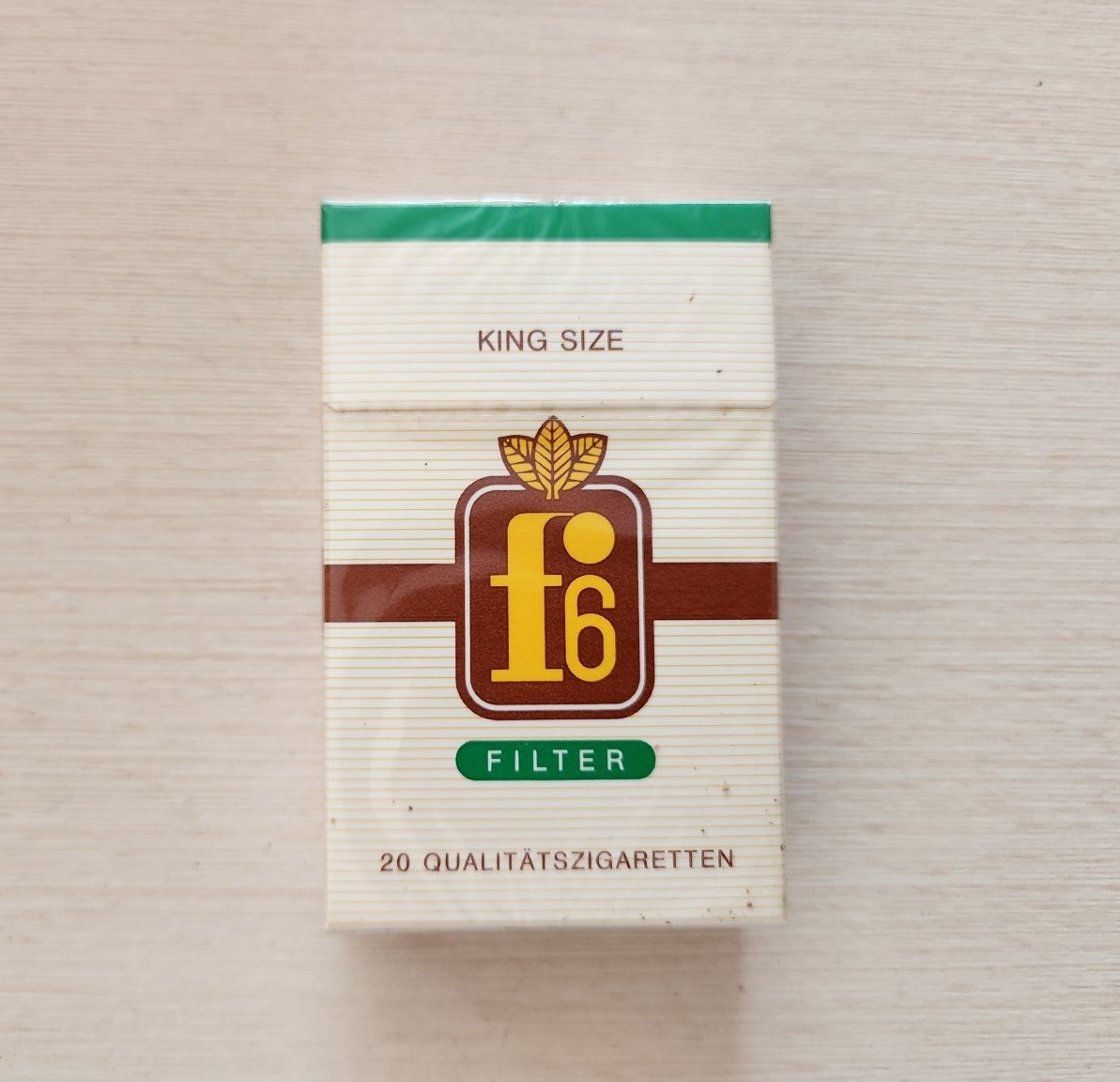
Made in Dresden, F6 quickly earned a reputation among travelers and U.S. servicemembers for their craftsmanship and steady character. They didn’t flood stateside shelves, which only added to the appeal when they did show up.
The strength was solid but controlled, with an even, full taste: herbal, lightly spicy, and notably free of bitterness. The tobacco aroma broadened the flavor rather than overwhelming it—part of why these smokes built a loyal following.
Karo Cigarettes
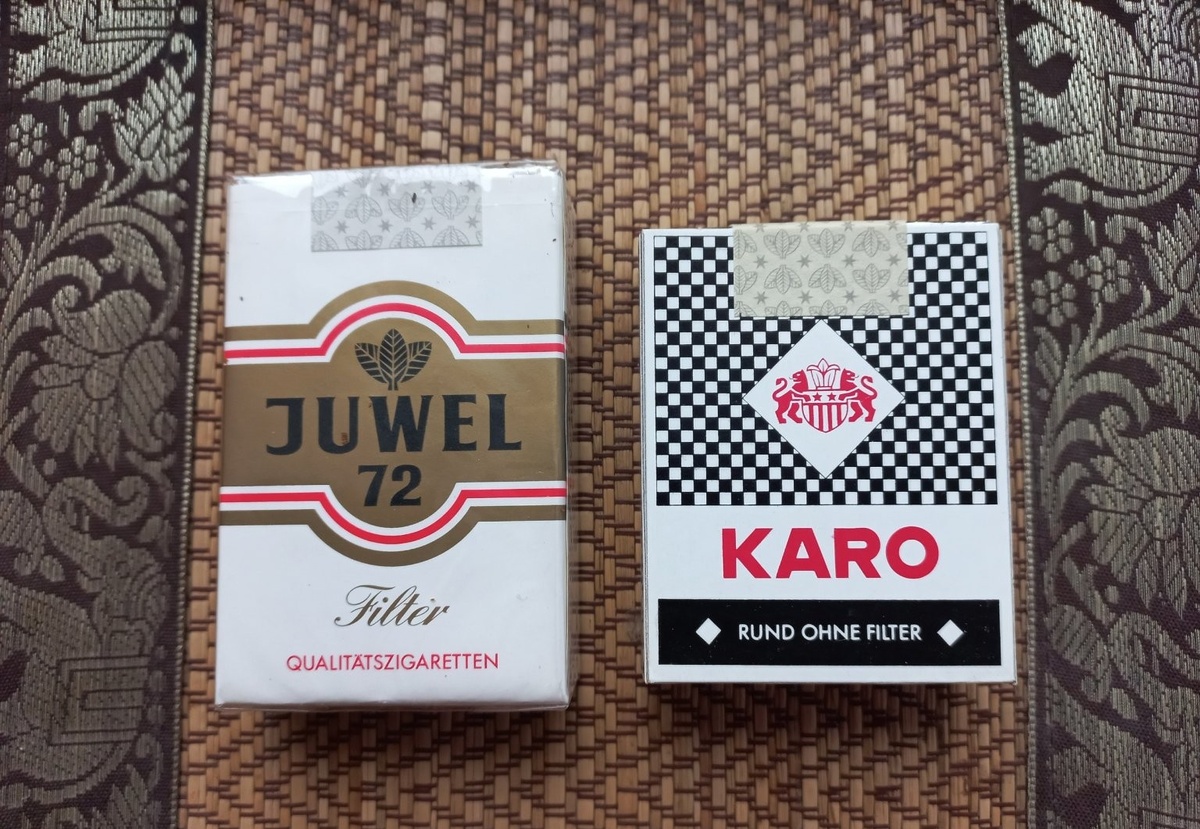
If F6 reads “classic,” Karo is the unapologetic bruiser. These filterless sticks—packed in the iconic checkerboard box—were known for their 19-count quirk and their no-nonsense punch.
The taste leaned resinous and peppery, with a heavy, slightly woody aroma. Fans compared their intensity to Gitanes or Gauloises: uncompromising, but with a character that rewards a deliberate pace.
West Cigarettes
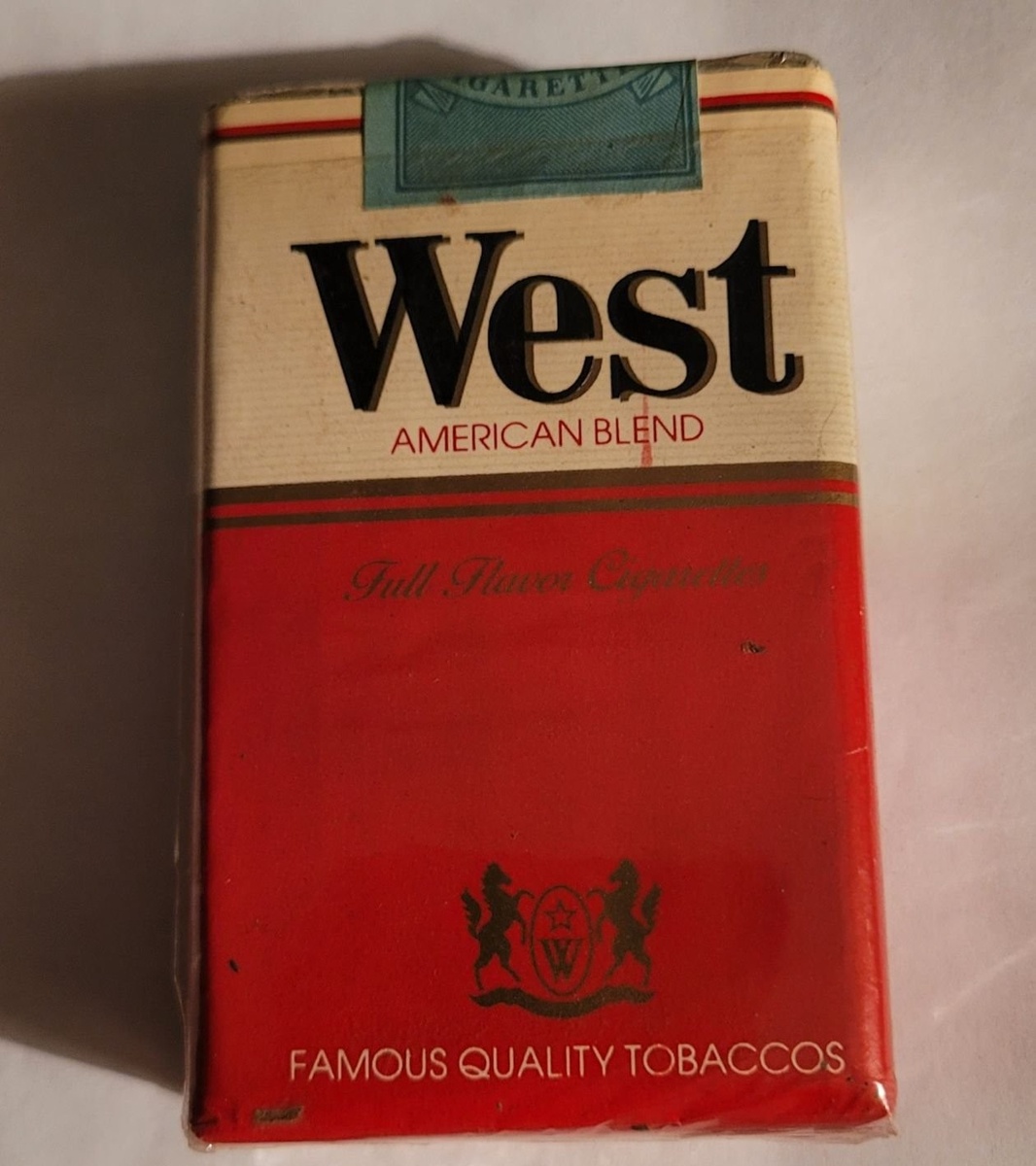
Remember the ’90s slogan “Test the West”? The brand hit peak popularity in Germany around that time and became a coveted import for U.S. smokers chasing a modern European profile.
Built on an American Blend anchored by dark and golden Virginias, West delivered a soft nutty note, a faint tang on the finish, and a dense tobacco aroma. Typical figures: 14–15 mg tar and about 1.1 mg nicotine in classic variants.
R6 Cigarettes
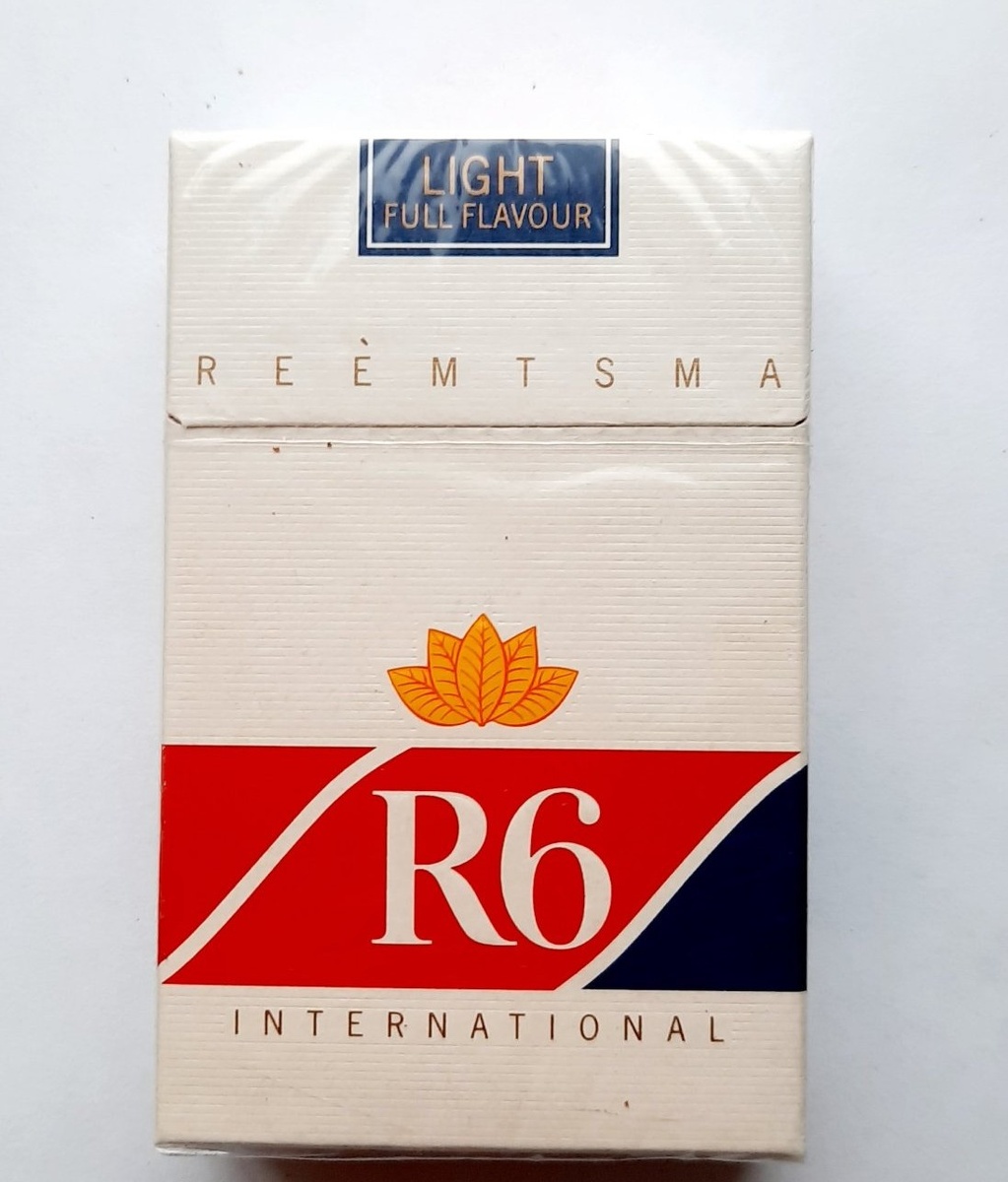
Produced by Reemtsma, R6 showed up in the U.S. as a dependable “middle path”—especially the Light-labeled variants. They sat comfortably between mellow and robust, never too airy and never overpowering.
Expect a slightly sweet, smooth profile with a faint woody line. Light versions typically ran about 10–11 mg tar and 0.9–1.0 mg nicotine in period-accurate specs.
Cabinet Cigarettes
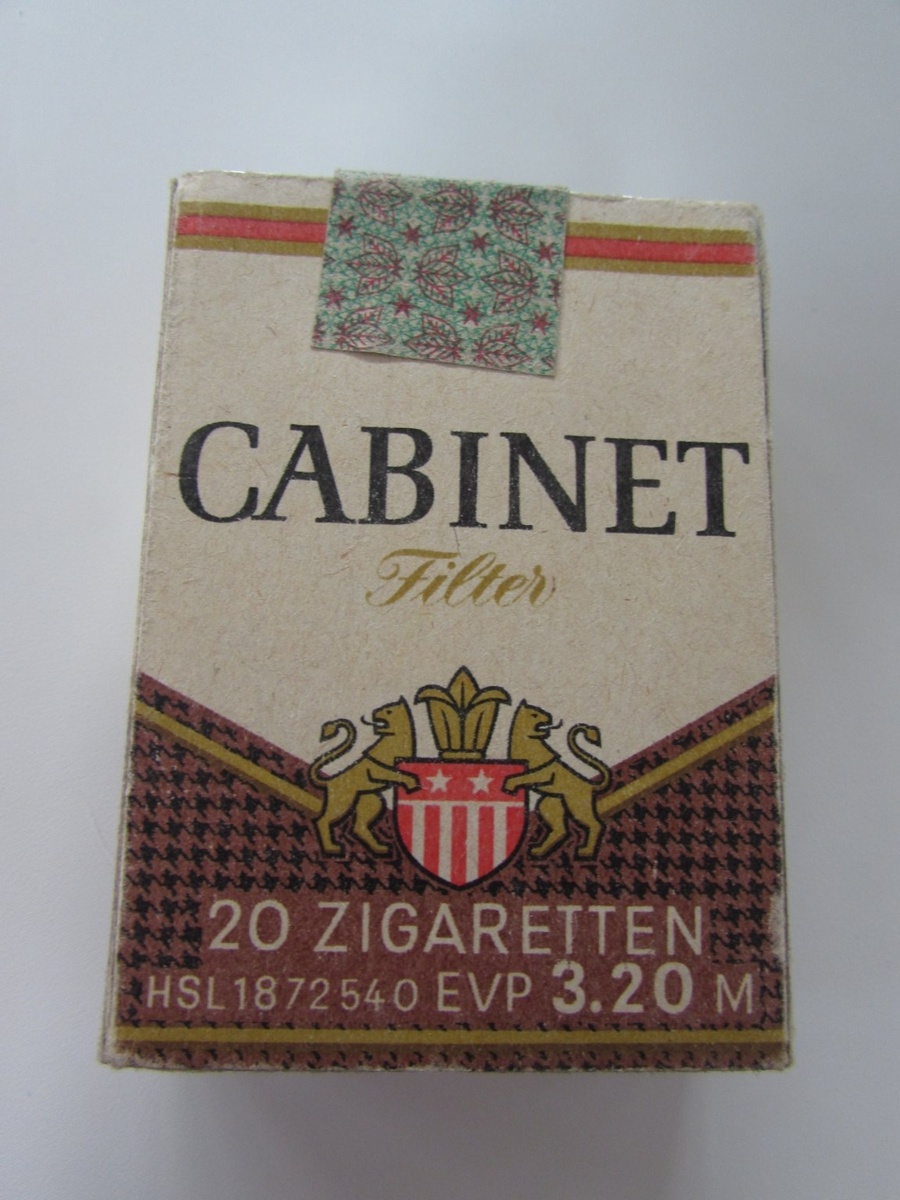
A staple in Germany since the 1970s, Cabinet was commonly exported in 20-count packs, while domestic runs sometimes played with count—24 or even 17–19 sticks wasn’t unheard of.
The taste brought dry nut and a light floral thread, with firm strength around 15 mg tar and ~1 mg nicotine. Smokers who preferred a dense, unsweet bouquet often kept Cabinet in their rotation.
Juwel 72 Cigarettes
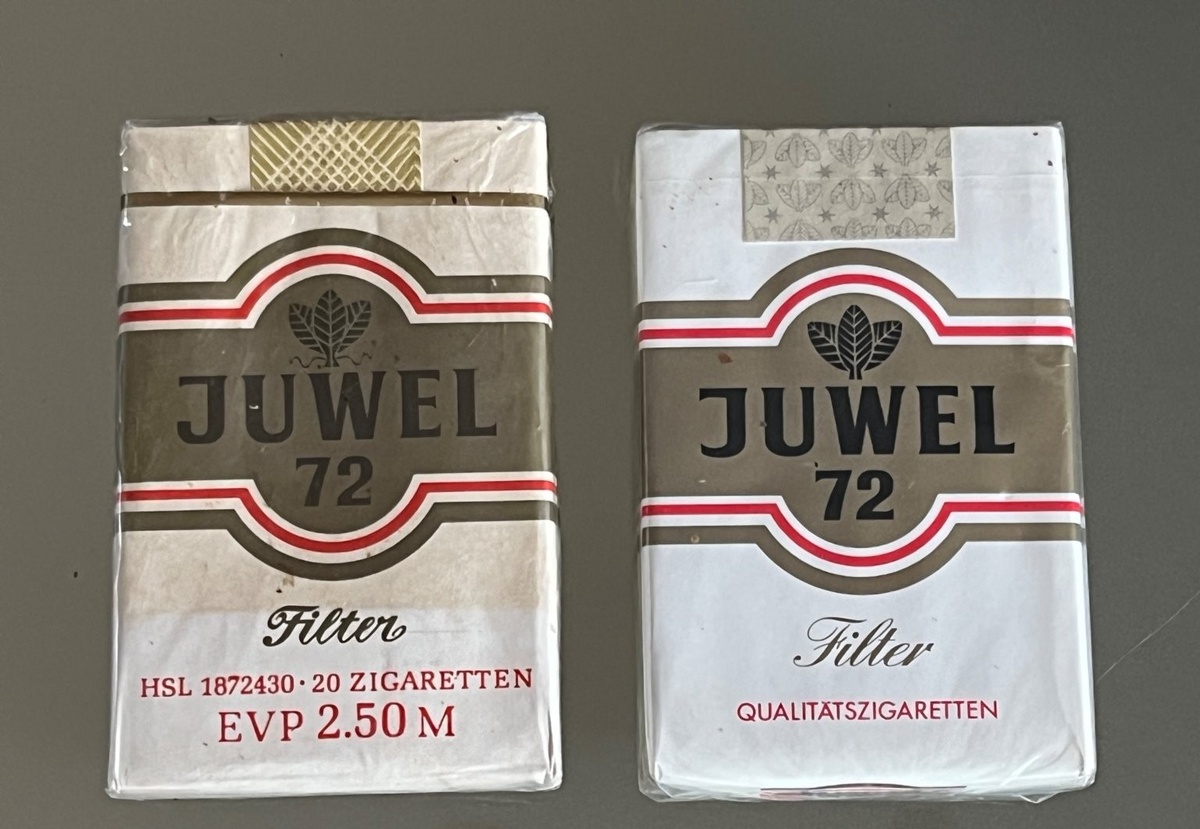
Juwel 72 earned solid respect among German brands, including a packaging quirk: 19 cigarettes per pack. With a shortened filter and a straightforward blend, the flavor stayed confidently tobacco-forward—no added frills.
On the palate, they opened with soft nutty notes and leaned a bit lighter in overall strength. The brand saw brief licensed production outside Germany in the 1990s before fading from most markets.
Astor Cigarettes
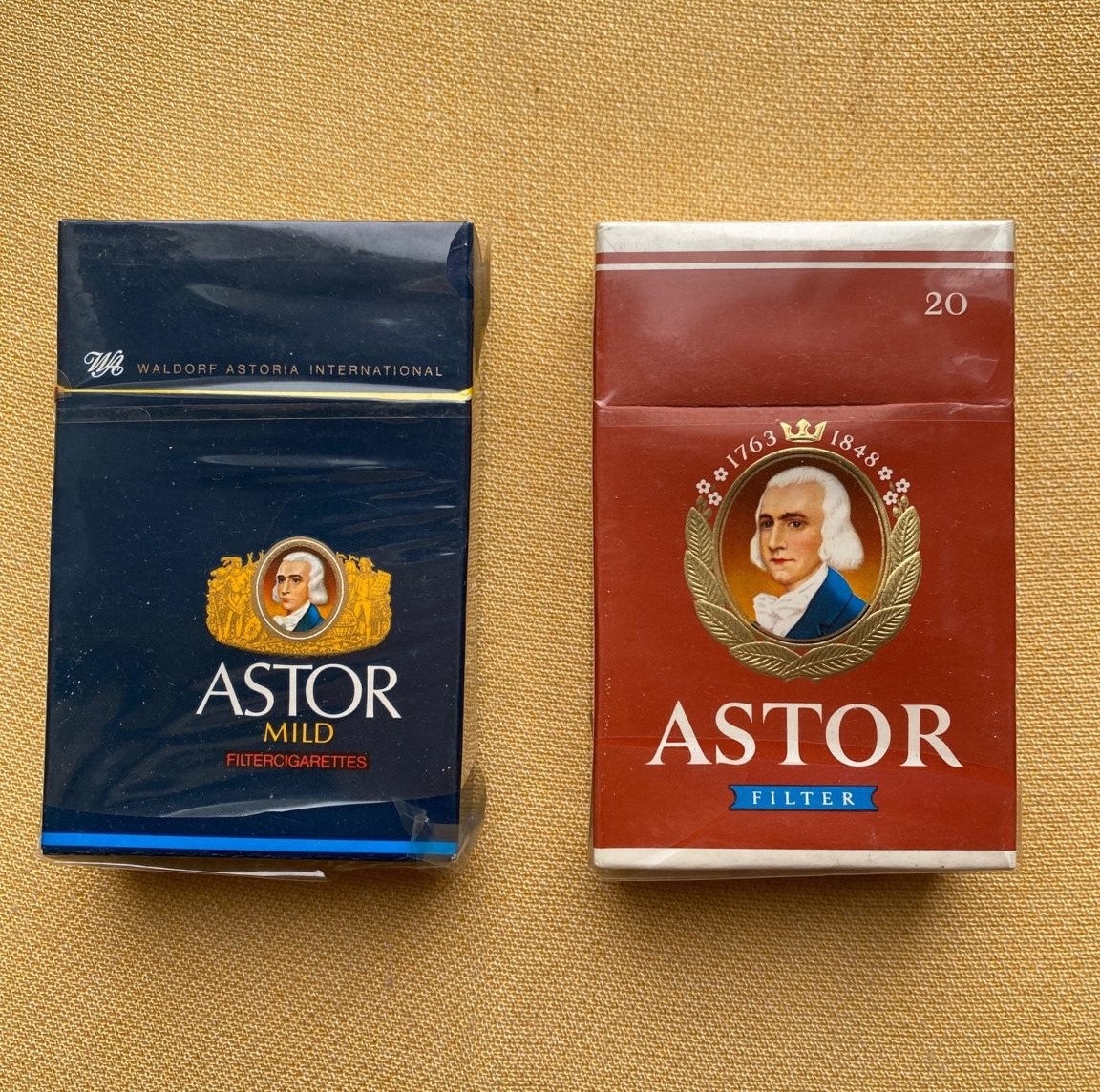
Produced by Reemtsma, Astor came in blue, red, and gold—each with its own personality. The blue pack in particular left a lasting impression for many U.S. import enthusiasts.
Expect a soft, clean flavor with spicy accents and a hint of dry wood. Historically, the blue variant ran about 13–14 mg tar and ~1 mg nicotine, later adjusted down to more modern limits in the 1990s.
Bottom line
From HB’s polished balance to Karo’s raw power, these classic German names earned their place in U.S. import lore through consistency, character, and unmistakable aroma. If they all lined a U.S. shelf today, the right choice would come down to the profile you favor—smooth and steady (HB, R6, Astor), nutty and structured (West, Cabinet, Juwel 72), or bold and uncompromising (Karo).
Disclaimer: Brand details reflect historical specifications and may vary by production run and market. Availability depends on state regulations and current distribution.