
What Cigarettes Did Rich People Smoke in the ’90s Besides Marlboro? 5 Brands and What They Cost

In the ’90s, you could spot a high-roller at a glance—not just by the car or the watch, but by the cigarette pack in their hand. A box wasn’t just a habit; it was a calling card. Beyond Marlboro, several premium imports became shorthand for taste, access, and means. Here’s a look back at the upscale ’90s cigarettes that quietly signaled status across the U.S.
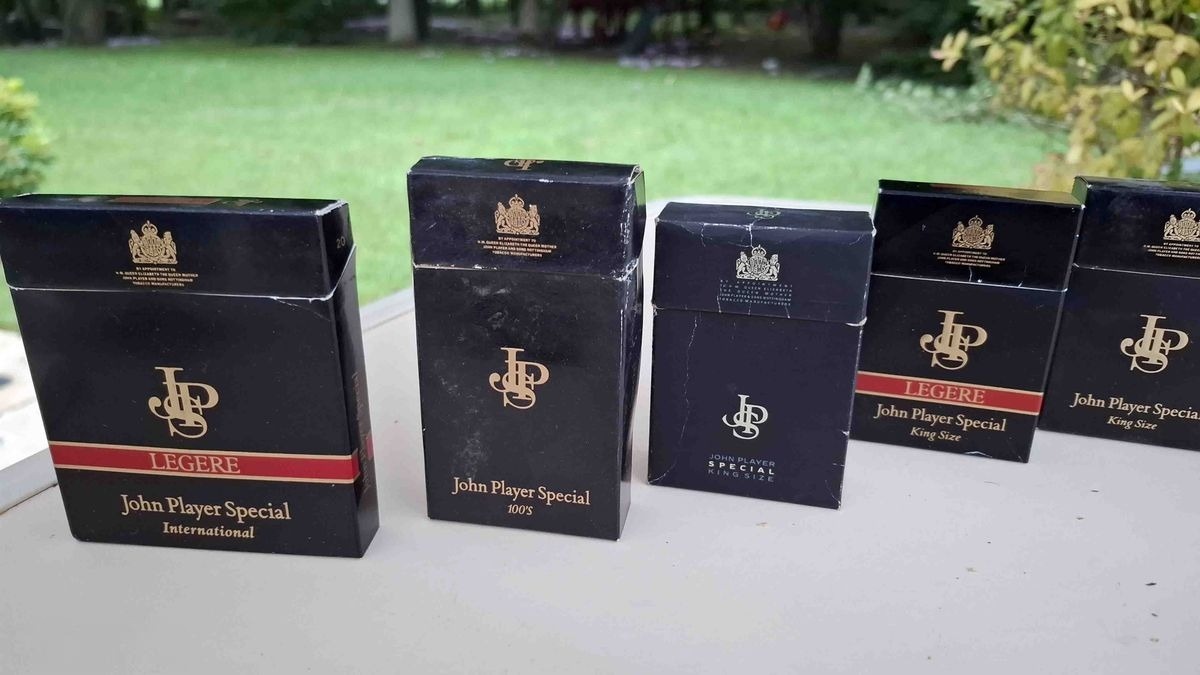
JPS: The Black Gold of the Era
John Player Special—JPS—was impossible to mistake: a sleek black pack with gold script that looked more like a luxury object than a carton off the shelf. Imported and not always easy to find, it lived in specialty shops and duty-free cases more than corner stores. In the U.S., it typically sat above mainstream brands on price and mystique, projecting a cool, motorsport-adjacent prestige.
The profile leaned smooth and slightly sweet, with a dense, satisfying draw. In some markets, JPS even appeared in striking cylindrical tins of 50—an ultra-’90s flex. The name remains on shelves today, but back then a JPS pack read as an insider’s choice with unmistakable polish.
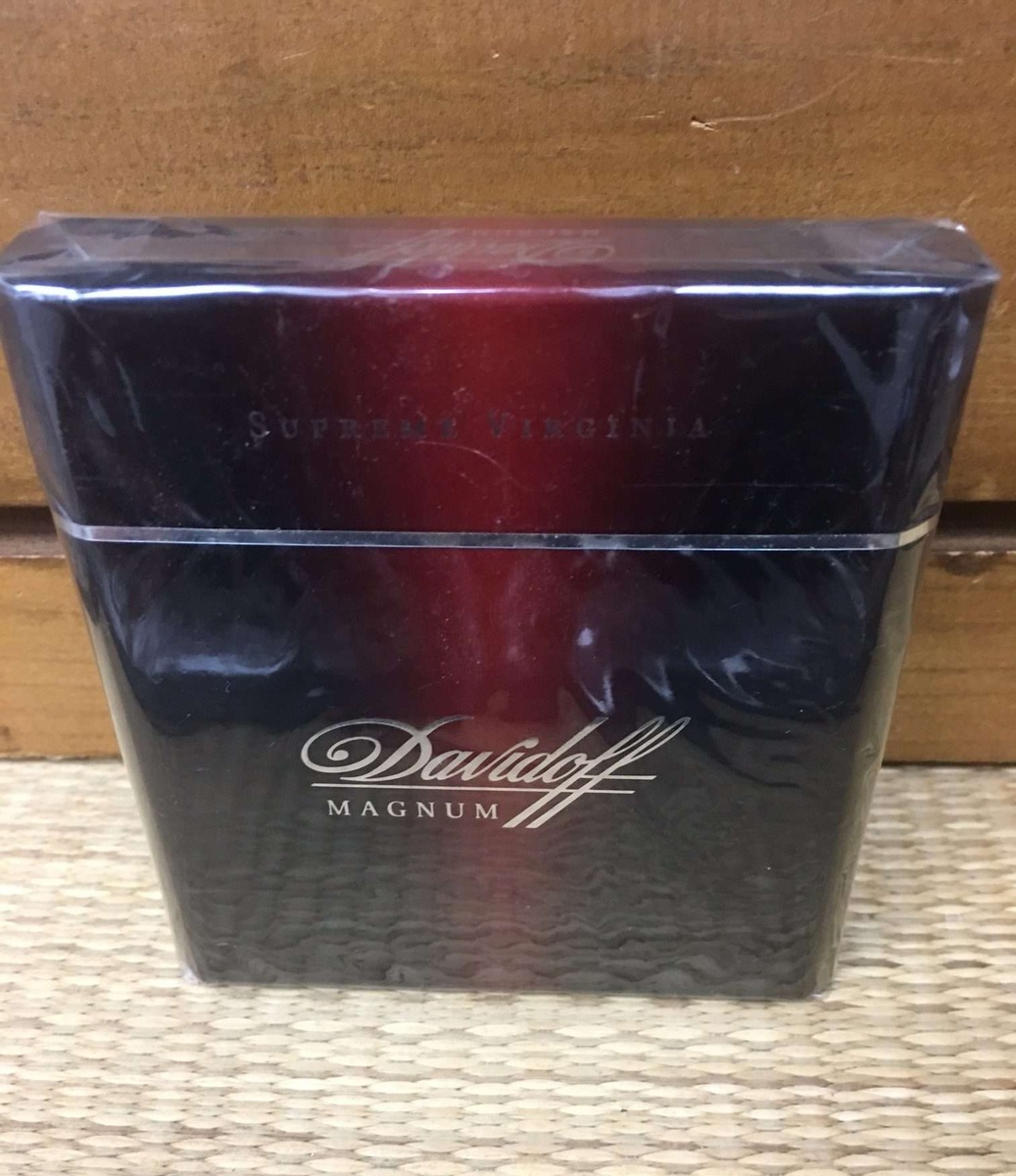
Davidoff Magnum: The Taste of Switzerland
If JPS was about sleek style, Davidoff Magnum was about cultivated taste. Named after Zino Davidoff, the famed Swiss tobacconist, the brand carried a quiet confidence and a boutique aura in the U.S. You were most likely to find it in premium tobacconists, where it sat squarely in the top price tier.
Magnum’s boxy pack, firm filter, and refined, Virginia-forward blend delivered a smooth, lightly sweet profile without harsh edges. It wasn’t just a smoke; it was a statement that you cared about the finer points—from the packaging to the draw—and were willing to pay a little more for them.
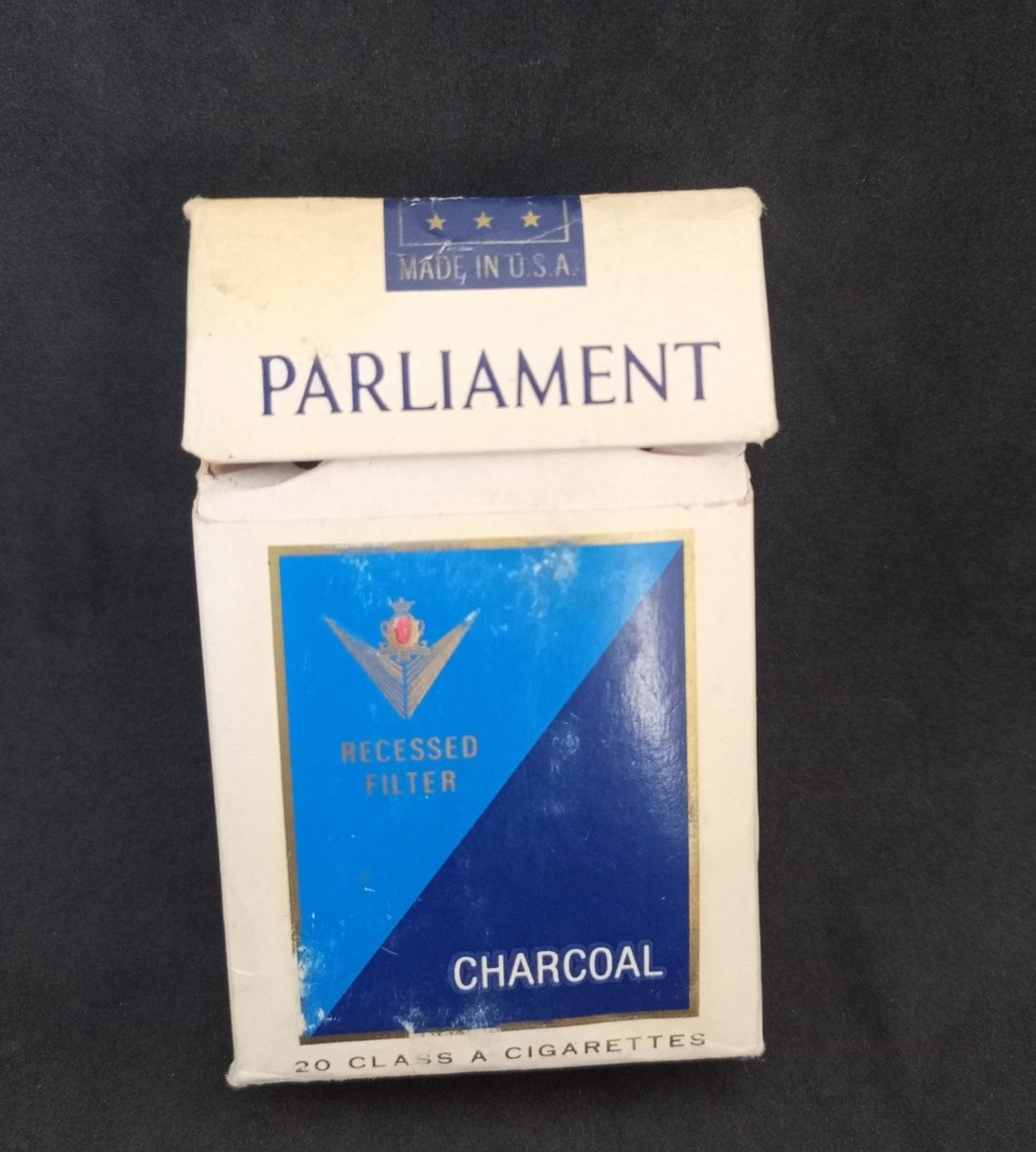
Parliament: The Look of Respectability
In the ’90s U.S., Parliament’s crisp white-and-blue pack and recessed filter window were unmistakable. Under the Philip Morris umbrella, the line sat firmly in the premium tier and read as clean-cut and urbane—an accessory that looked as polished in a briefcase as it did on a night out.
Many remember a smooth, almost creamy character and the signature recessed tip, often marketed for its sophistication and distinctive feel. It was the brand people reached for when they wanted their pack to say as much as their outfit.
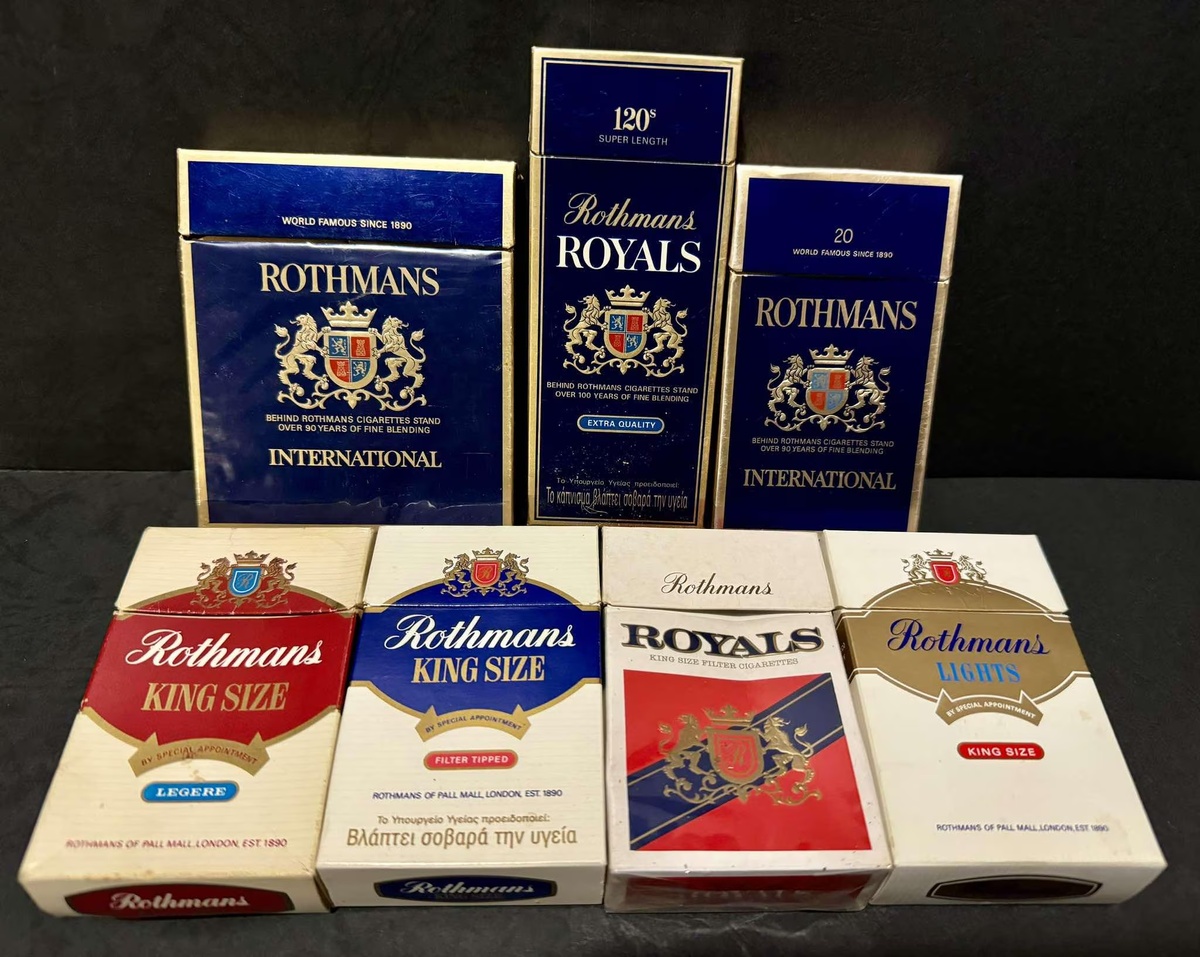
Rothmans International: English Classic with Character
Rothmans International skewed toward understated affluence—dark-blue, square pack, a gold crest, and a reserved, British sensibility. It wasn’t about flash; it was about knowing. In the U.S., it had the air of an import for people who preferred their signals subtle.
The blend leaned full and rounded, with a gentle sweetness and a hint of fruit. After Rothmans became part of the British American Tobacco family, the portfolio and positioning shifted more toward the mainstream, but in the ’90s it carried the cachet of an English classic.
Mild Seven: Japanese Softness
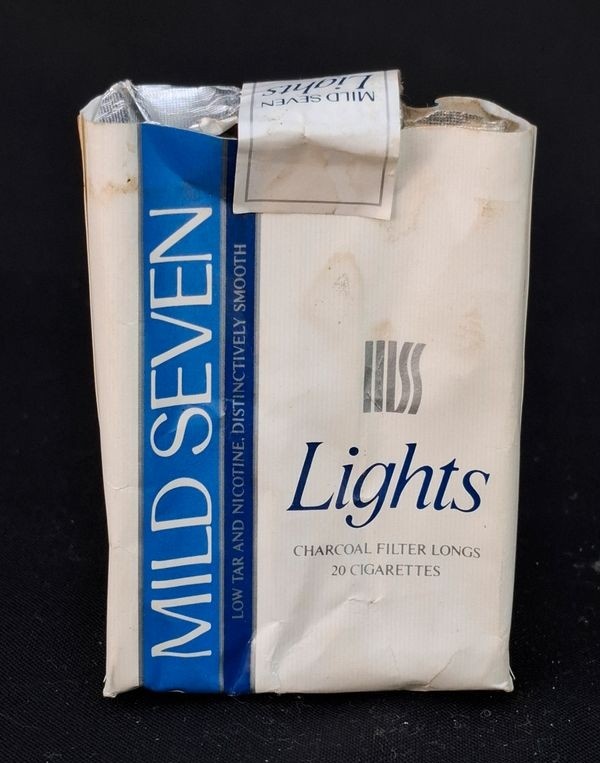
Mild Seven brought a distinctly Japanese touch to late-’90s American shelves, typically via specialty retailers and duty-free. Regulars who bought them came off like connoisseurs—they knew where to find them and why they stood out.
Known for an unusually gentle, refined profile and a signature charcoal-tipped filter feel, Mild Seven delivered a light, airy draw with a subtle, wood-spice finish. The brand was renamed Mevius in 2012, but for many, “Mild Seven” still triggers pure ’90s nostalgia.
Looking at today’s cigarette wall, it’s hard to believe a pack once doubled as a status beacon. In the ’90s, a box of Davidoff or Parliament could reveal more about someone than their watch.
What do you remember people smoking in the ’90s? Which packs instantly take you back the moment you see them?
Bottom line
In the U.S. of the ’90s, a premium pack wasn’t just tobacco—it was shorthand for taste, access, and identity. JPS, Davidoff, Parliament, Rothmans, and Mild Seven each carried their own signal, from black-and-gold flash to buttoned-up respectability and Japanese finesse. For many, these brands weren’t just smoked; they were chosen.
Disclaimer: For adult audiences (21+) only. Brand availability and positioning referenced here reflect historical context and may vary by market and time. This content is for informational and nostalgic purposes and does not make health, reduced-risk, or cessation claims. Always comply with local laws and regulations.