
American cigarettes of the 90s: luxury, taste and prices that make your head spin
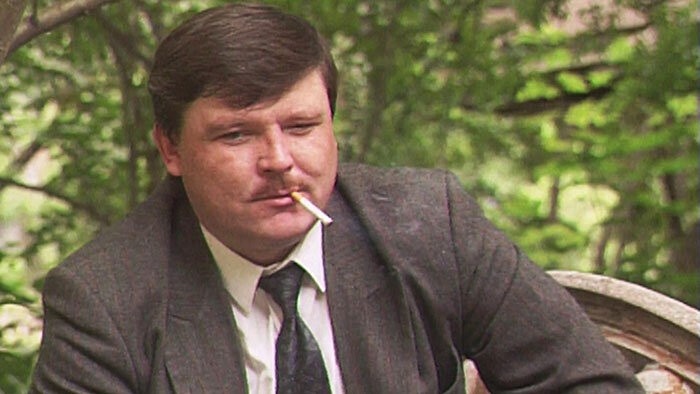
Do you remember that strange feeling when, in the early 90s, beautiful, shiny packs with unfamiliar names suddenly appeared in kiosks? Just yesterday, Prima and Cosmos were on sale, and today, Marlboro, Camel, and Winston cigarettes lie next to Love Is chewing gum. It seemed as if a piece of cinematic America had arrived in the country along with them. A pack of cigarettes became not just a source of smoke, but a symbol of status and quiet bragging rights.
It was a special time. Money was often scarce, but there were those who were willing to pay a considerable amount for a pack of expensive cigarettes. And they bought them. Not just to smoke, but to show: ‘I can afford it.’
Winston cigarettes — red classics and golden hundred
In the early 1990s, Winston cigarettes cost around 2-3 USD, and by the end of the decade, the price remained roughly the same. They were sold in several formats. The first was King Size in red, blue, and white packs, followed by ‘sotka’ (100 mm) in gold and red packaging.
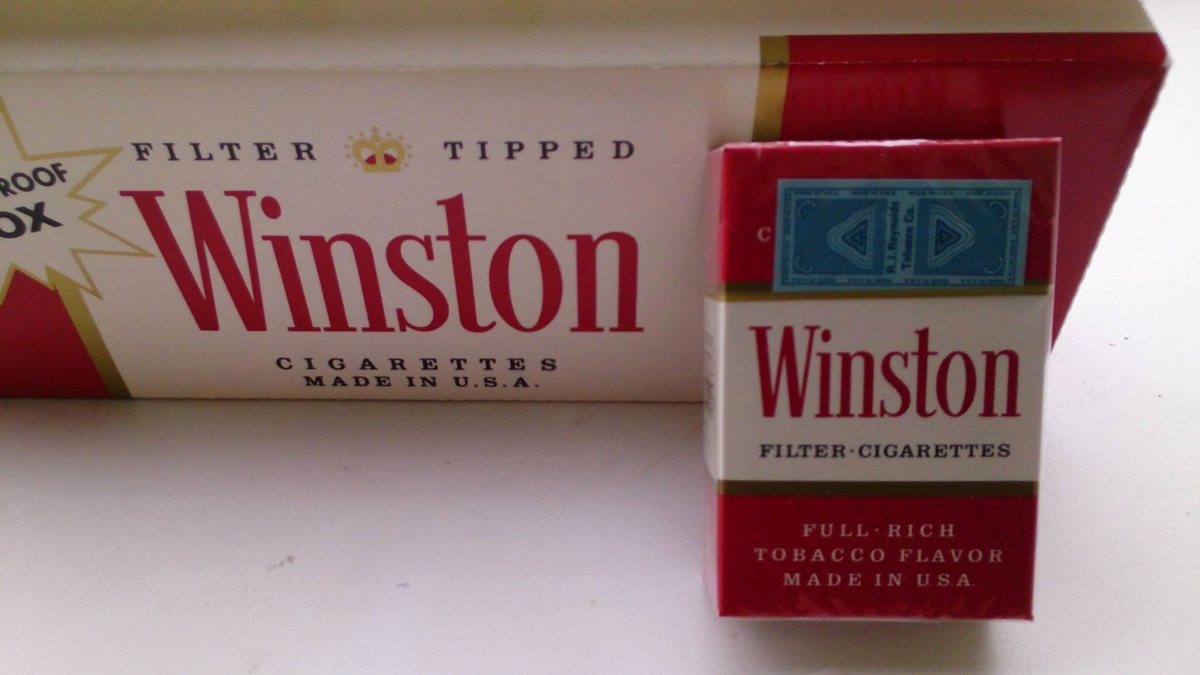
The taste of Winston was recognisable: sweetish with a hint of sourness, slightly rich. Some loved them for their mildness, others criticised them for their lack of ‘punch’. But the status of these cigarettes was undeniable; they were associated with American tobacco quality.
Doral cigarettes — a quiet premium brand that not everyone has noticed
Little was known about Doral. They were sold in limited quantities and were mainly found among those who brought them from abroad or found ‘their’ kiosk. In the United States, Doral was part of the premium segment, offering a mild filter with charcoal and carefully selected Virginia and Burley tobacco.
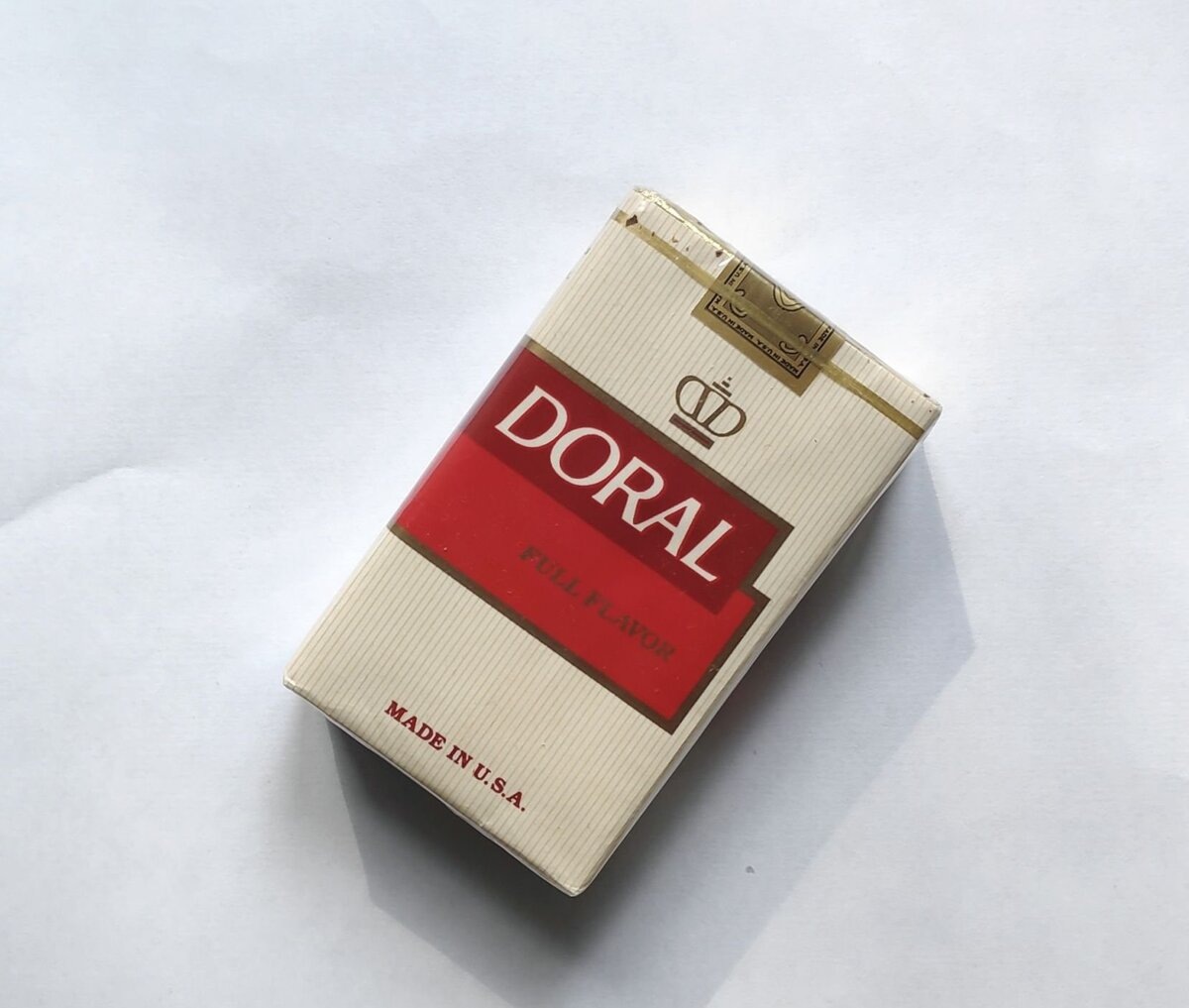
The strength of the ‘red’ version was 0.6 mg of nicotine with a tar content of 5–6 mg. This made them less harsh on the throat, but the taste remained rich. The price was lower than Marlboro and Camel, but due to their rarity, Doral cigarettes were perceived as no less prestigious.
Camel cigarettes — oriental spice and mild tobacco smoke
In the 1990s, Camel cigarettes were perceived as something special. They were not a ‘mass market’ product, although they were often found in large cities. The taste was recognisable: spicy and sweet, with light nutty notes. The reason for this was the blend of Turkish and Virginia tobacco, which was not copied by other brands at the time.
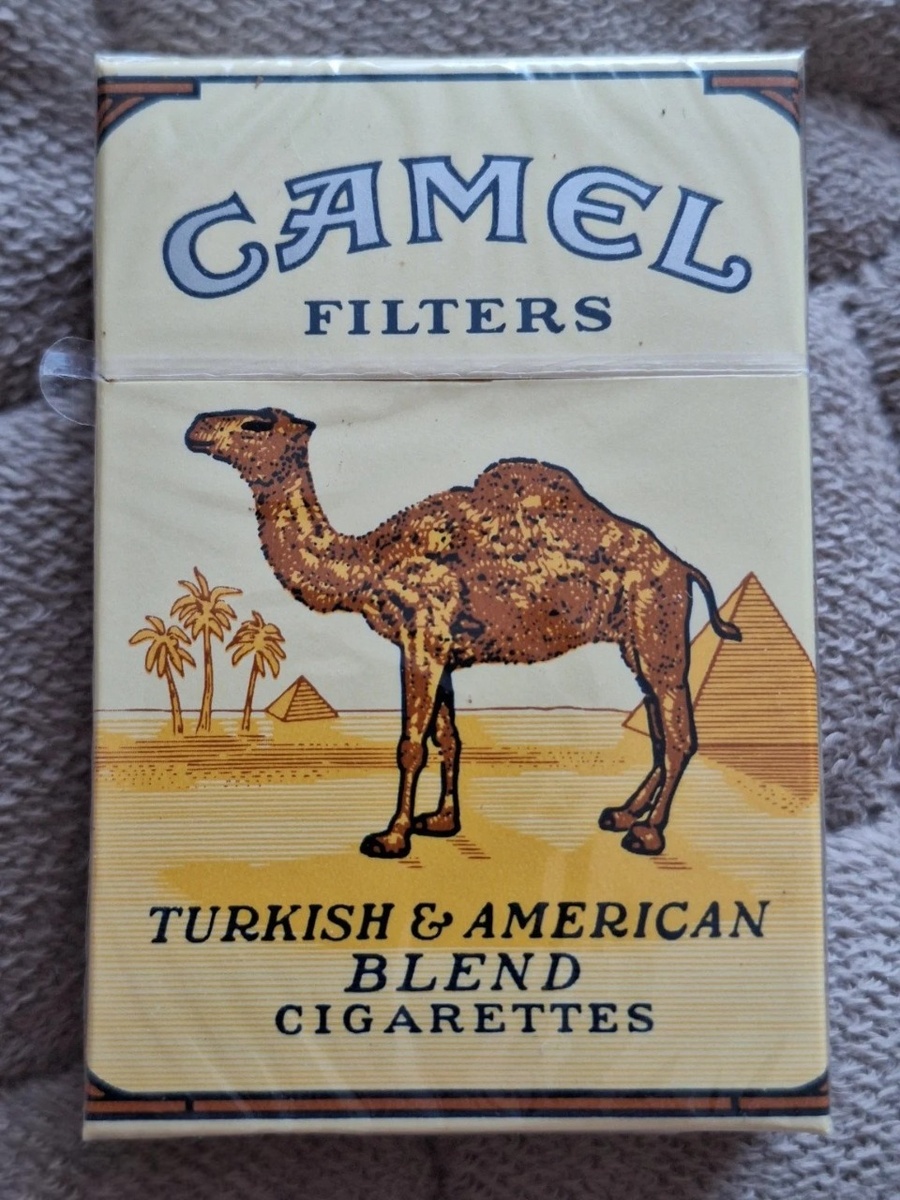
It was particularly chic if the cigarettes came in a soft pack without a filter. Such cigarettes seemed a little stronger, the smoke was denser, and the sensations were brighter.
Marlboro cigarettes — a red cowboy in grey everyday life
Marlboro in the 90s was not just tobacco, it was an entire advertisement in your head. A red and white pack, a cowboy on a horse, a sense of the open road and freedom. You had to pay full price for quality cigarettes.
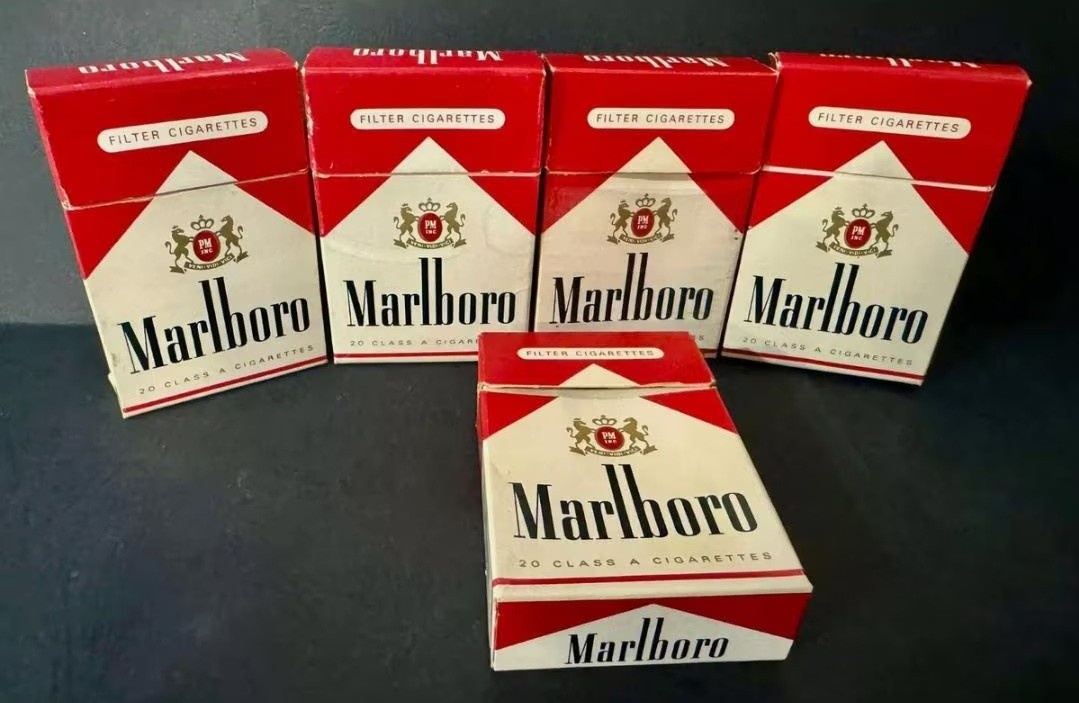
The taste was different from Camel: heavier, resinous, with a hint of rye crust and a slight sourness. Marlboro cigarettes were not spicy, but they created a feeling of ‘full’ smoke that enveloped the mouth and lingered for a couple of minutes after exhaling.
According to American sources at the time, Marlboro ranked first in sales in the United States in the 1990s and was among the top five best-selling imported brands in Russia.
Parliament cigarettes — creamy tobacco for white-collar workers
Parliament then and now are two different stories. In the late 90s, they were not widely available. They were mainly smoked by senior office workers, businessmen, celebrities, etc.
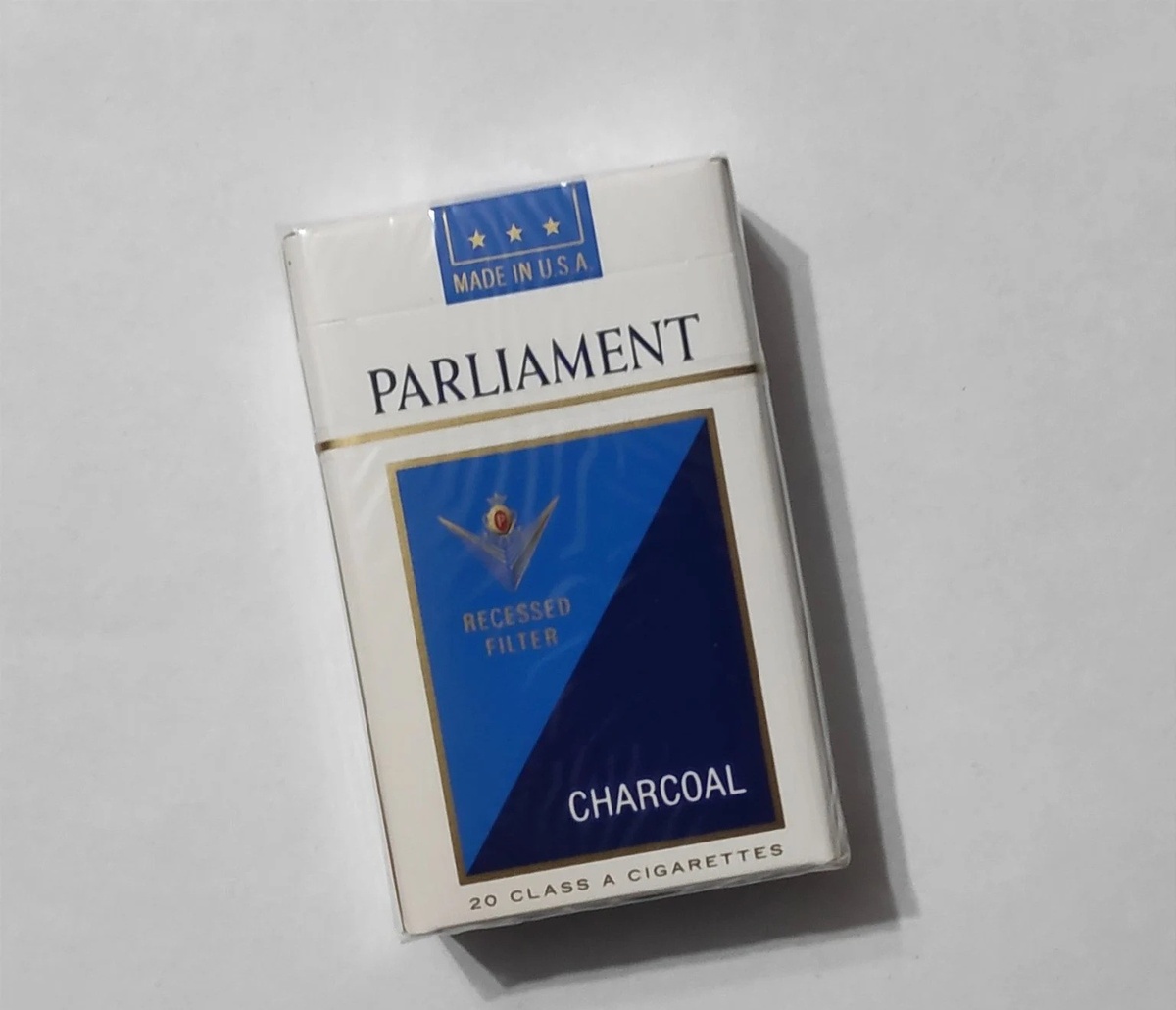
The cigarettes had a mild, neutral tobacco flavour with creamy floral notes. The main feature was a mouthpiece filter with a charcoal insert, which was designed to trap more tar and give a cleaner feel when smoking. In those days, this filter was a rarity and was perceived as a sign of an expensive brand.
Lucky Strike cigarettes — no filter, no compromise
For those who enjoyed a strong sensation, Lucky Strike was the brand of choice in the 1990s, particularly the unfiltered variety in soft packs. Their tobacco was roasted rather than simply dried, resulting in a rich flavour with smoky, fruity, and nutty notes.
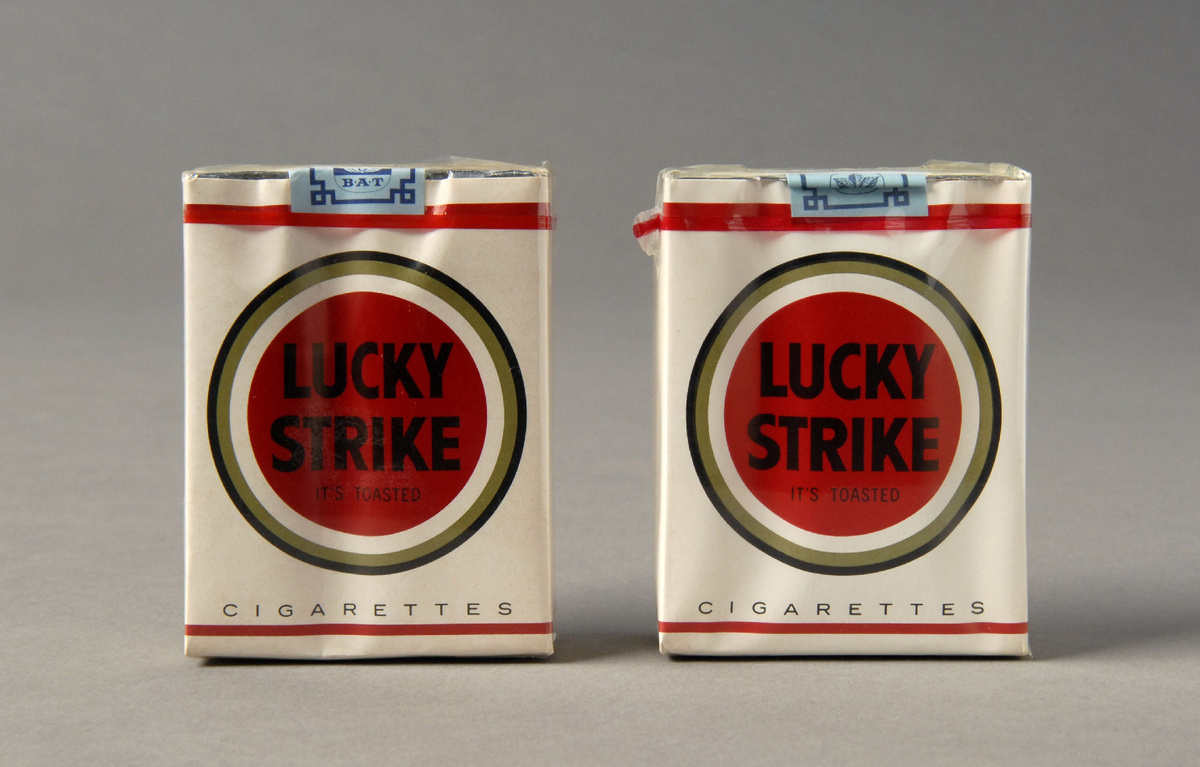
In the mid-1990s, Lucky Strike Non Filter cigarettes were priced roughly the same as other premium brands, but in terms of impression, they surpassed many of them. In the US, the ‘It’s Toasted’ advertising campaign promoting ‘toasted’ tobacco was legendary, while in Russia these cigarettes were considered the choice of those who were not afraid of strong smoke.
Today, when a pack of cigarettes is primarily subject to taxes and warning labels, it is difficult to believe that choosing a brand was once a real statement. Winston or Marlboro was a smoker’s firm position. Camel or Lucky Strike was about lifestyle.
I wonder if those same 90s versions, with their original tobacco, strength and taste, could become symbols again if they were brought back on sale today. Or has our time changed too much for the smoke of the past to look as tempting?