
Luxury cigarette brands: European aristocracy
Europe has its royal houses, but it also boasts an impressive lineup of truly “royal” cigarette brands steeped in history, tradition and, of course, luxury.
Bernadotte, Bourbon, Grimaldi, Orange-Nassau, Saxe-Coburg-Gotha and Windsor. Now compare them to Davidoff, Dunhill, Parliament, Sobranie and Tradition. What do these two lists have in common? That’s right – both contain European aristocracy. Only the first one lists the ruling royal dynasties of Europe, while the second one lists the most prestigious and luxurious cigarette brands born on this continent. They could be called the tobacco aristocracy. But why do they stand out among the many other brands? What makes them so coveted? And why do these brands enjoy a “royal” reputation among discerning consumers?
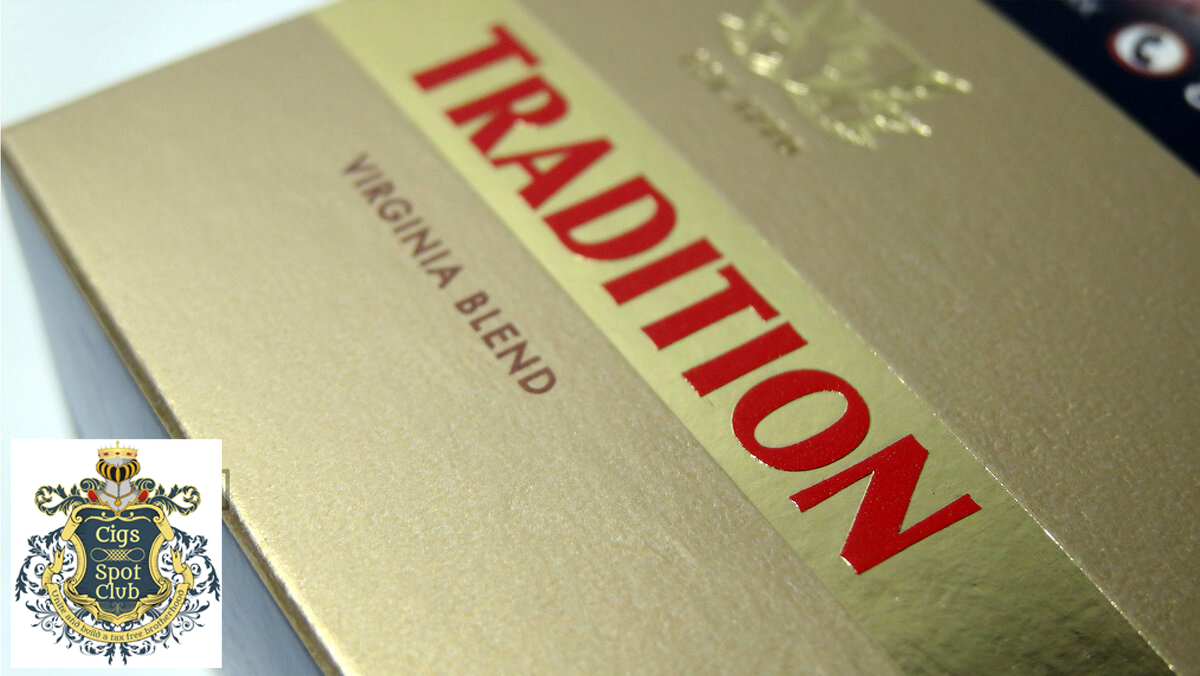
What makes a brand luxury? “A luxury brand has to offer the customer a unique selling proposition, complemented by an appropriate packaging design,” explains Pierre Lorenzen, head of global marketing and sales at German company Joh. Wilh. von Eicken GmbH, which owns one of the youngest luxury cigarette brands, Tradition. “When buying a luxury brand, consumers want to emphasize their status,” he says. – “Therefore, the chosen brand should exude a positive image that is ‘transmitted’ to the consumer himself.” However, Lorenzen also notes that a carefully constructed brand image is perhaps the main factor that elevates cigarettes to luxury status.
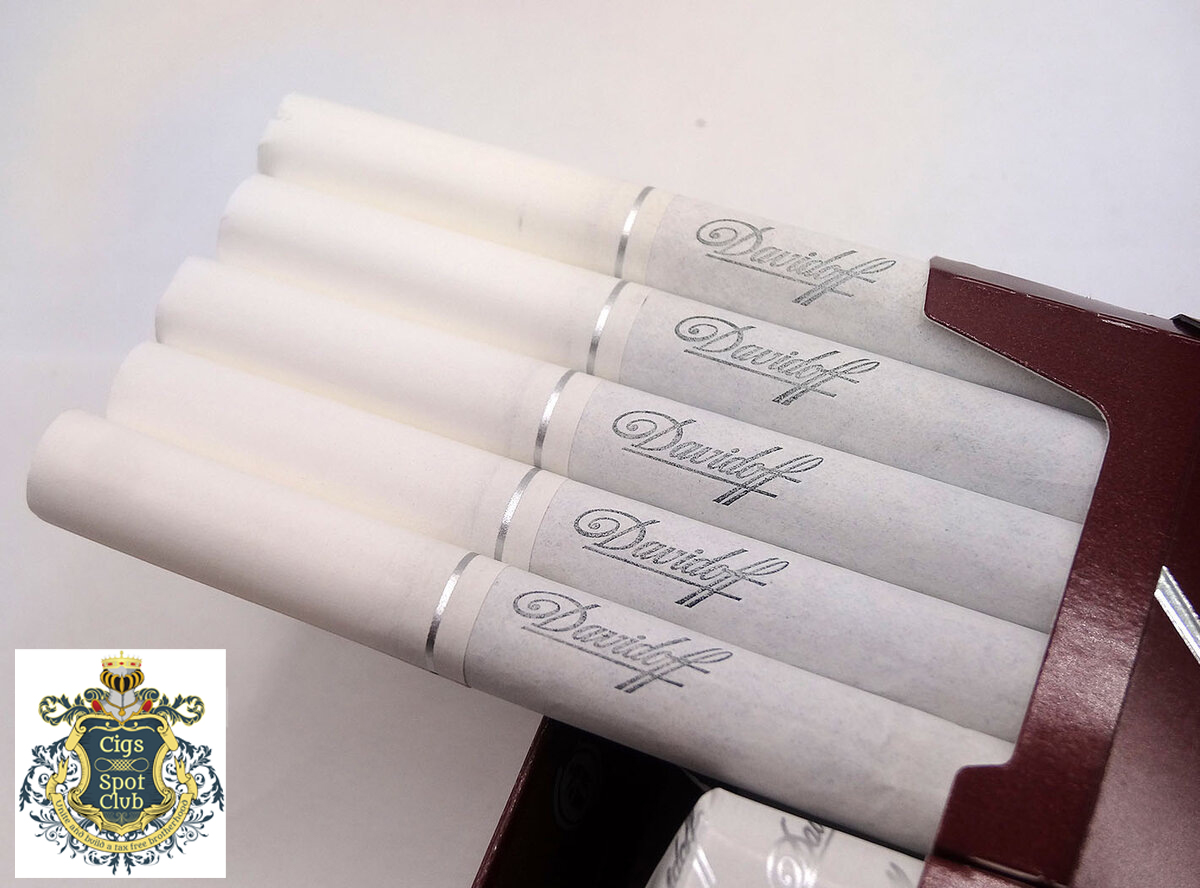
Meanwhile, Zuzana Buckingham, head of strategic planning for the Davidoff brand at Imperial Tobacco Limited, argues that four key factors must come together for cigarettes to be perceived as luxury: superior quality, desirability, heritage and relevance to the end consumer. “Brand essence and character are indeed the most important attributes of luxe. A brand is the result of many elements that work in symbiosis over the years,” she says. Among them are price, quality of tobacco and materials, ambitious communication, limited availability, and the brand’s ability to update and adapt within the tight constraints of the tobacco industry.
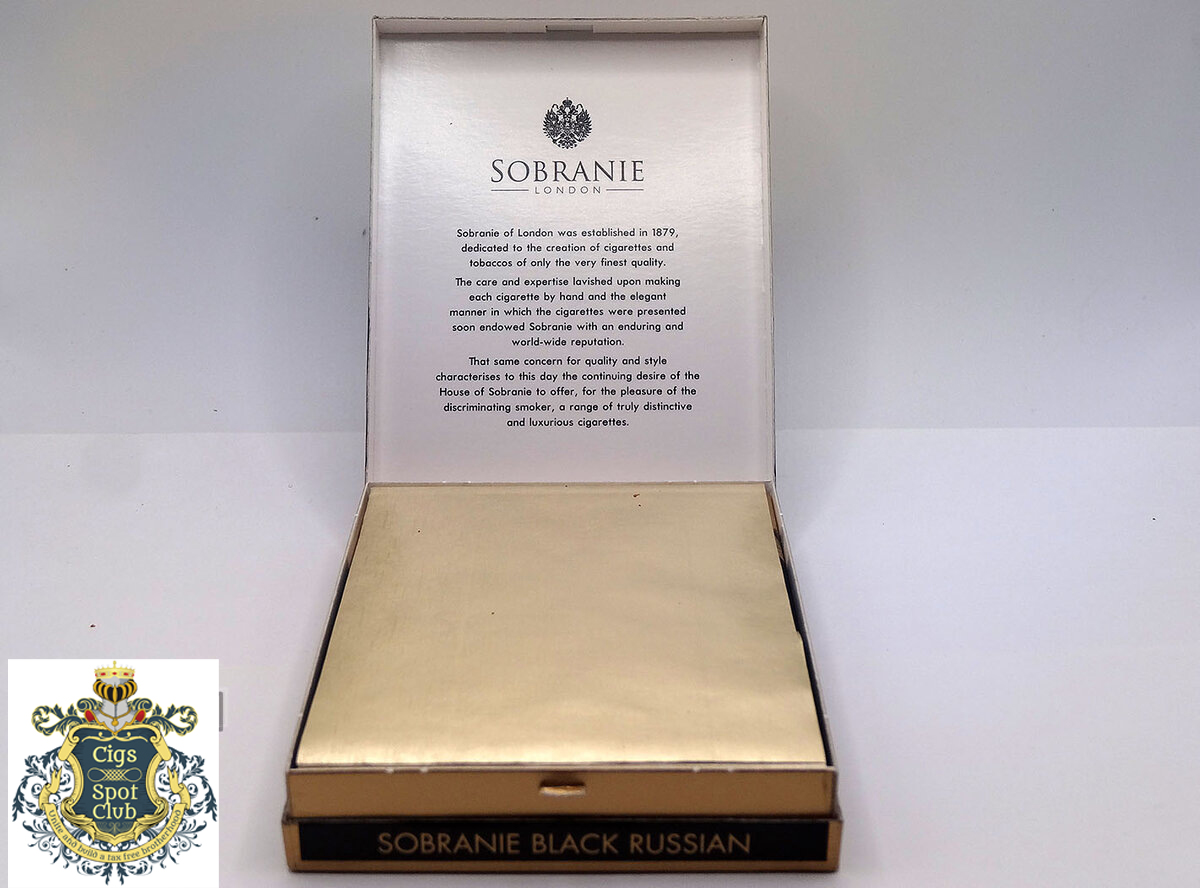
Finally, Andrew Ahern, Japan Tobacco International’s vice president of flagship brands, offers his interpretation of Sobranie: “When we talk about ‘luxury,’ we mean positioning the brand among other cigarettes.” And as ‘luxury’ becomes more prevalent in tobacco, uniqueness plays a key role. “If a brand doesn’t bring something new to the dialog with the consumer, it can’t maintain its luxury status. Sobranie has been doing this since its founding in 1879,” emphasizes Ahern. He also notes that “consumers increasingly appreciate quality products backed by a personalized, authentic story.”
The consumer is the ultimate judge. Of course, no matter how carefully a brand image is built, it always depends on consumer perception. If the image is not accepted by the audience, it is worthless. Many consumers argue that the most important thing about luxury cigarettes is quality: a more refined flavor and premium packaging. “However, industry standards have risen a lot and even budget brands now perform well in blind tests. It all comes down to luxury brand expectations and subjective perception,” explains Buckingham from Davidoff.
JTI’s Ahern sees it differently: “Today’s consumers are looking for the best, not the most hyped or popular. They value expertise that is not bought, but acquired with experience. They understand that value is in the craftsmanship, not just the price.”
At the same time, Lorenzen from von Eicken hints at vanity: “Luxury brands are often bought by those who want to show that they can afford them. But it can also be the other way around: a person shows that he or she belongs to an elite group, even though he or she can’t really afford it. That’s the answer. The aura of a luxury brand can raise a person’s social status or at least create that impression. Isn’t that what we all secretly want (but rarely admit)?
Buckingham notes: “In some countries, social status is extremely important and luxury brands serve as a marker of that status.” But she adds that this desire is not limited to specific demographics: “Luxury cigarettes are smoked by different audiences. Many people alternate between brands: budget on weekdays and expensive on weekends, calling it a ‘special moment’.”
Opinions differ and markets change, but one thing is certain: Europe has created some of the most iconic luxury brands – the elite of the tobacco world. Today, a dozen exquisite brands that exude aristocracy are based here. And that in itself is a royal achievement.
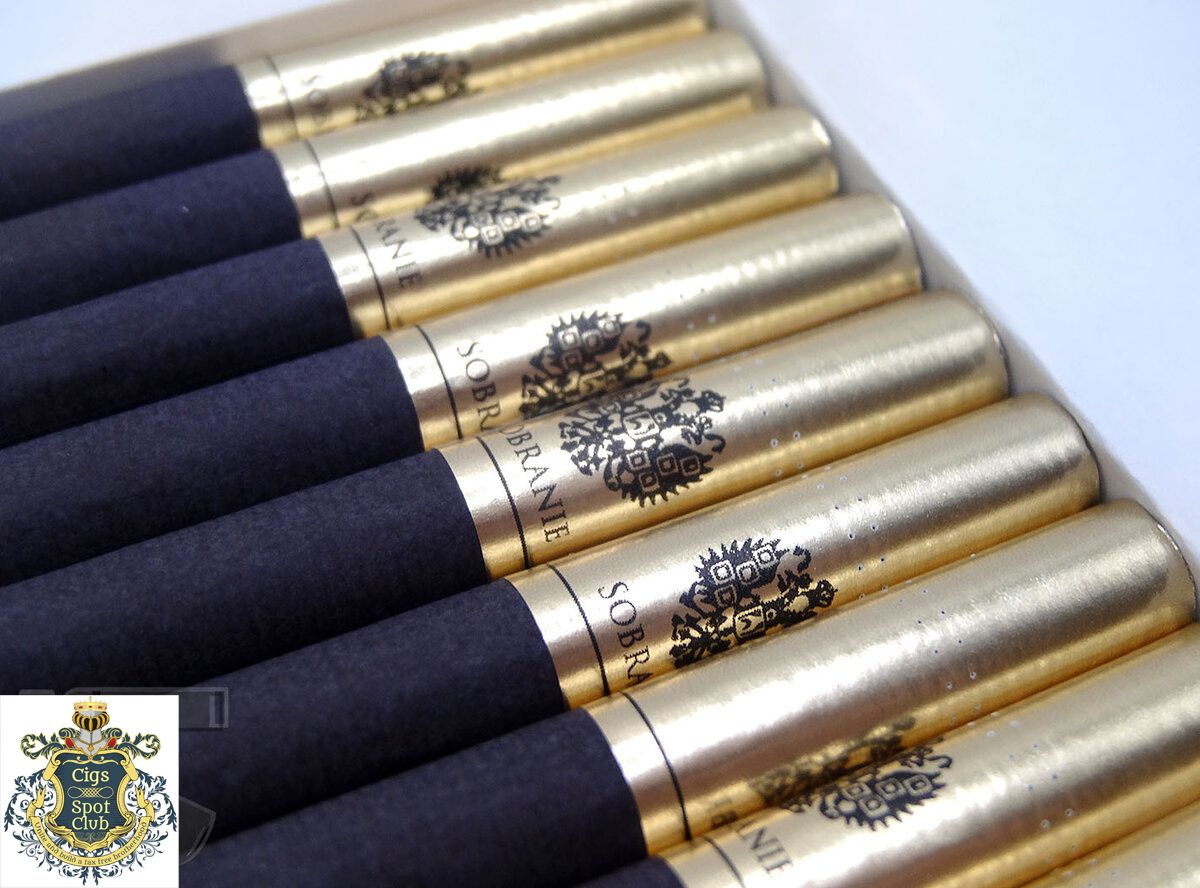
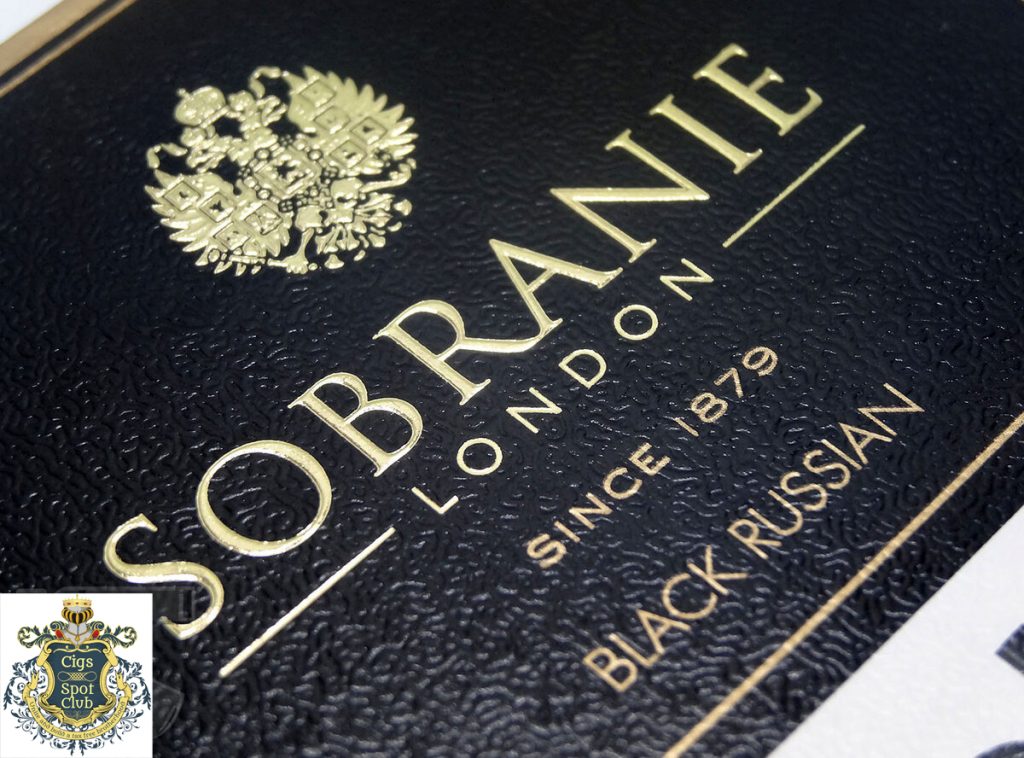
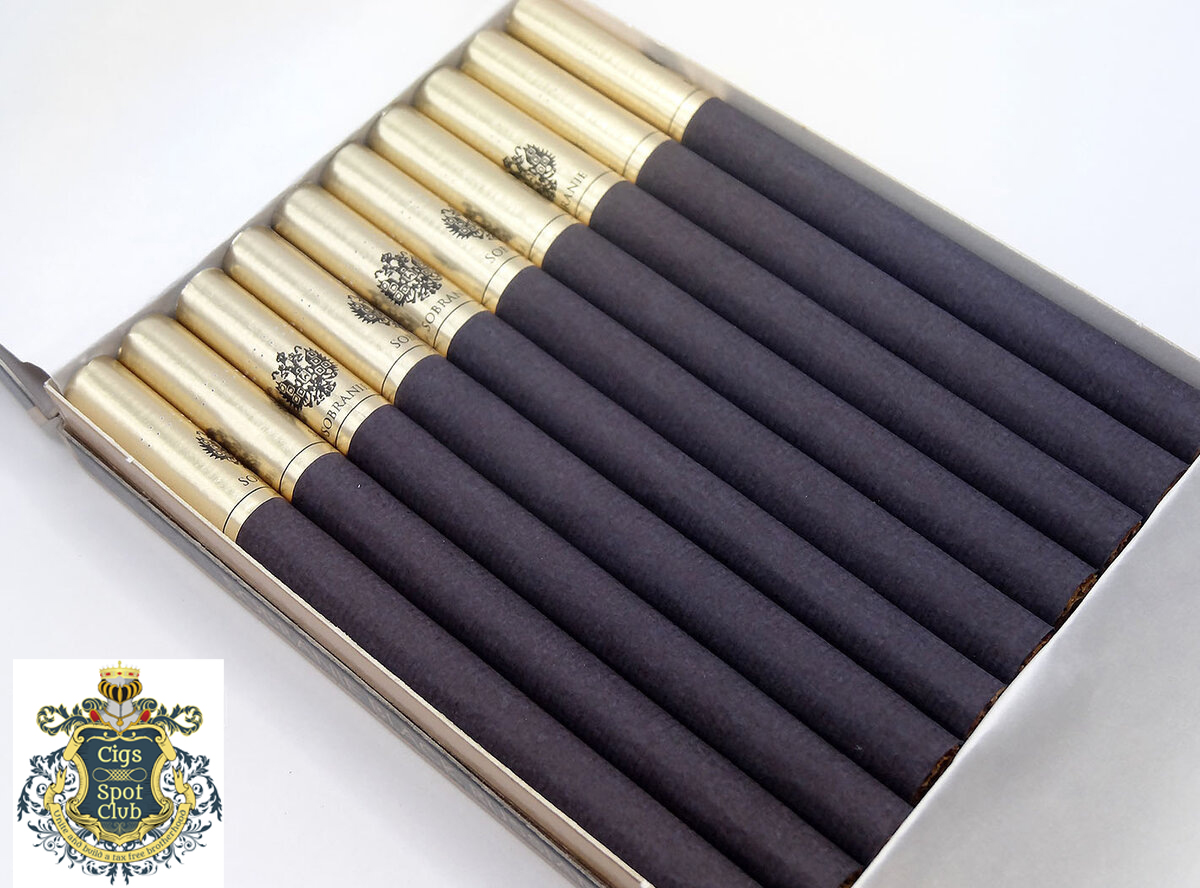
Japan Tobacco International: Sobranie. Founded in 1879 in London by Russian immigrant Albert Weinberg, Sobranie is one of the oldest cigarette brands in the world. “Weinberg registered the Sobranie House in the fashionable St. James’s district,” says Ahern. The name refers to the gatherings of tobacco masters and aristocracy. Acquired by JTI in 2007, the brand has grown steadily since 2012.

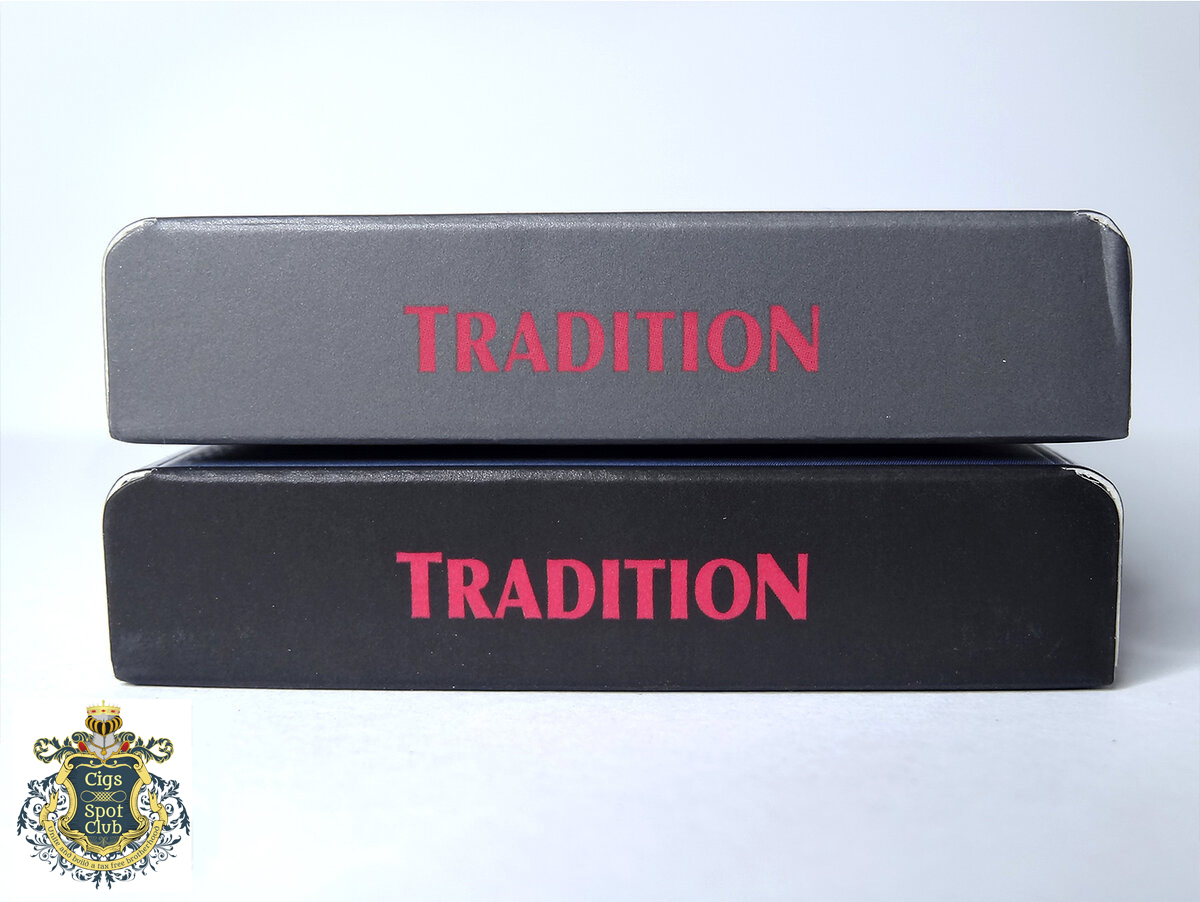
Von Eicken: Tradition. The youngest of the three brands, Tradition was launched in 2000. It proved that new premium brands can conquer the market. The line includes Gold, Platinum, Menthol and Menthol Crush varieties based on Virginia blends. “Tradition is designed for those who don’t compromise on flavor,” says Lorenzen.

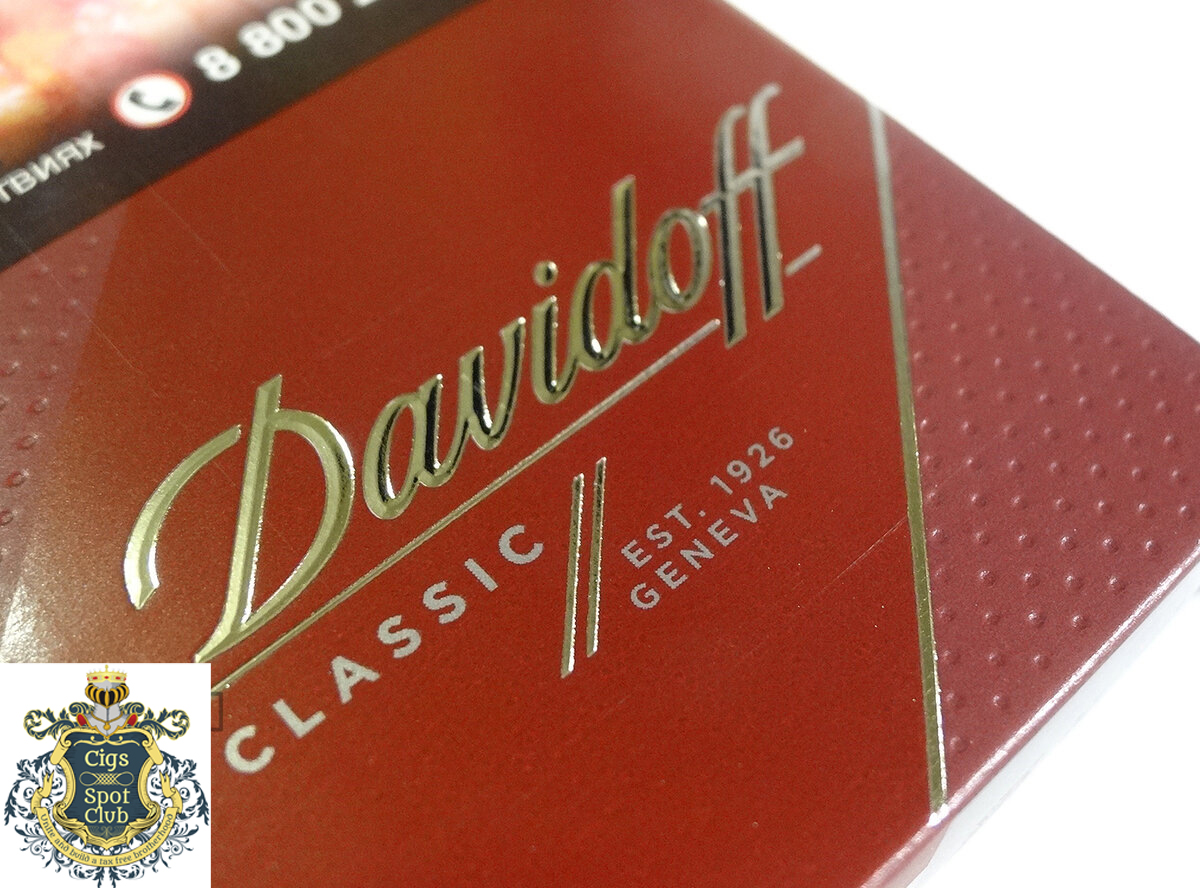
Imperial Tobacco: Davidoff. The history of Davidoff began in Switzerland in the 20th century with Zino Davidoff’s idea of the “perfect cigar”. In the 1980s, the first cigarettes under this brand were released, and in 2006 Imperial Tobacco acquired the rights to sell them. As of September 2019, Davidoff is available in over one hundred countries in three lines: Premium Line, Slim Line and Queen Size.